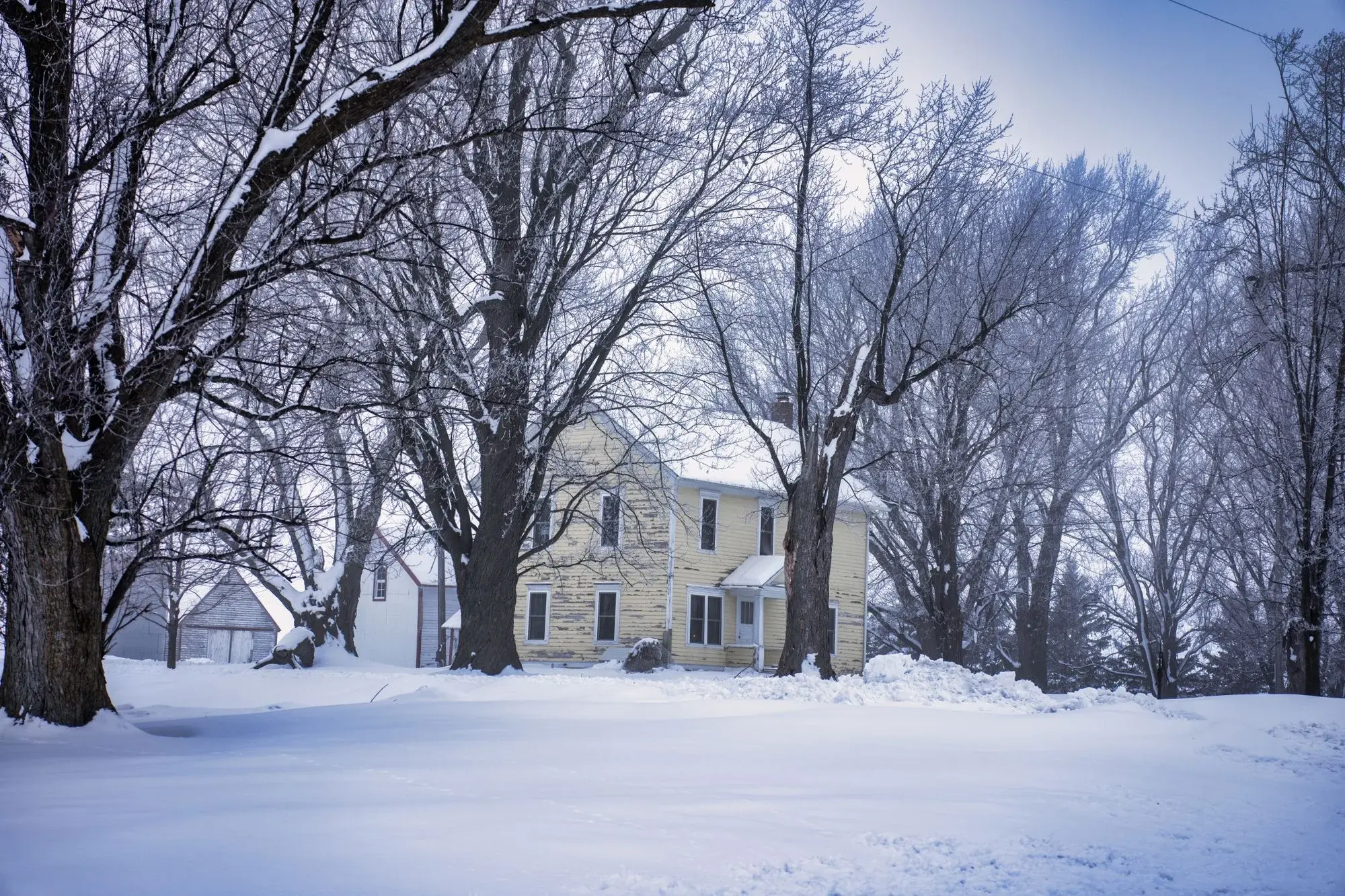
Healthy trees start this winter.
Branches close to your home? Fruit trees ready for care? Get an arborist’s perspective and a plan for the season ahead, starting with a free consultation.
Find the right winter serviceCT Licensed & ISA Certified Arborists
Serving communities in Connecticut, Massachusetts & Rhode Island
Meet your arborist and plant health care team.
Get to know the people behind ArborActive. Our arborists and plant health care staff bring different specialties to the same goal: helping you understand and care for your landscape.
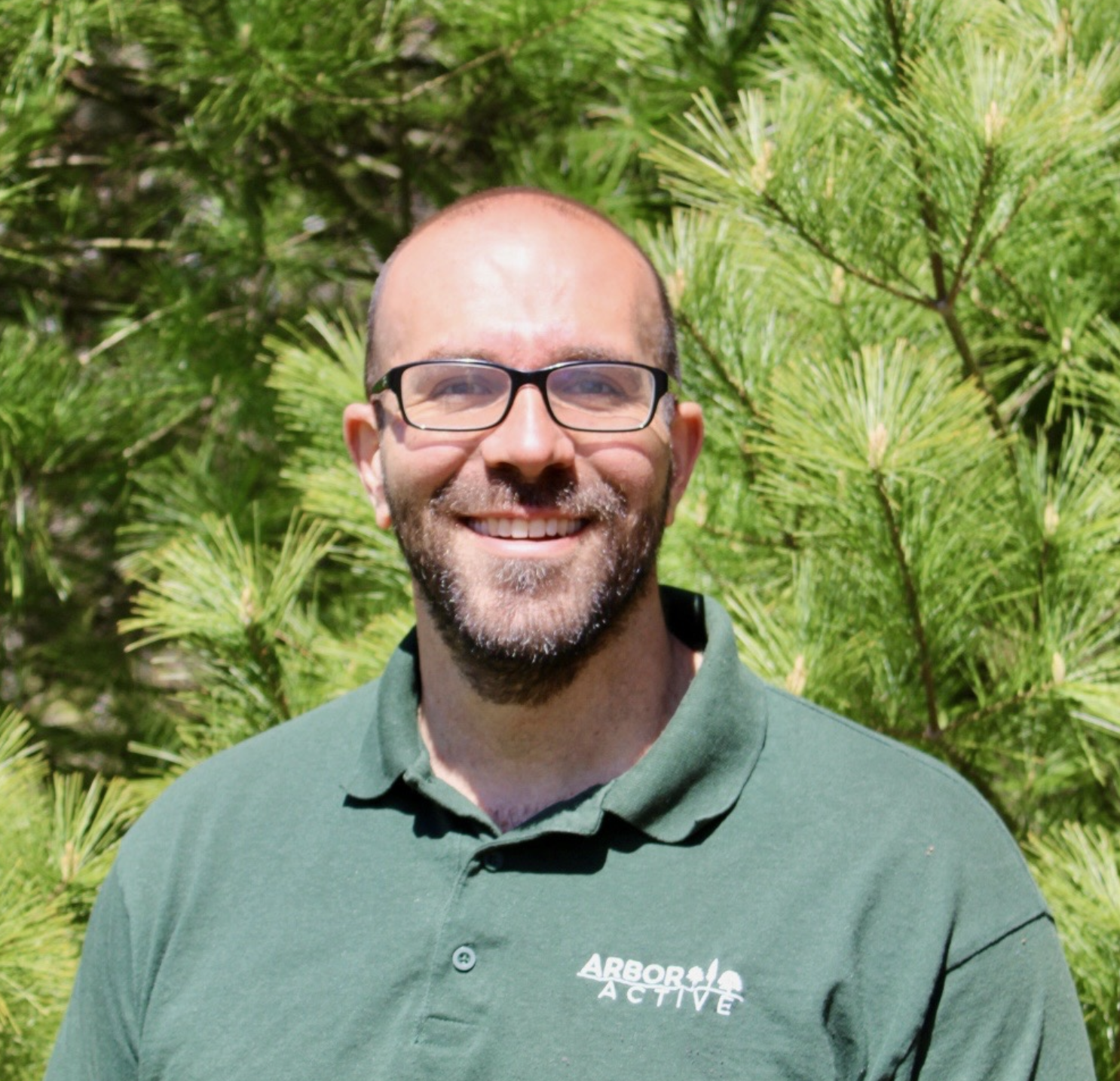
Gregg Corso
Founder & Lead Arborist
- ISA Board Certified Master Arborist NE-6927A
- CT Licensed Arborist PMCS.0066229
- Tree Risk Assessment Qualified
Gregg leads ArborActive’s arboriculture work. His background brings tree risk assessment, forest ecology and long-term tree care into the conversation about your property.
Read Gregg’s profile
Victoria Burton
Arborist and Plant Health Care Manager
- Master of Science in Plant Science
- ISA Certified Arborist
- Tree Risk Assessment Qualified
Victoria combines plant science with tree care and diagnostics. Her work connects what you see in the canopy with the health and growing conditions of the whole plant.
Read Victoria’s profile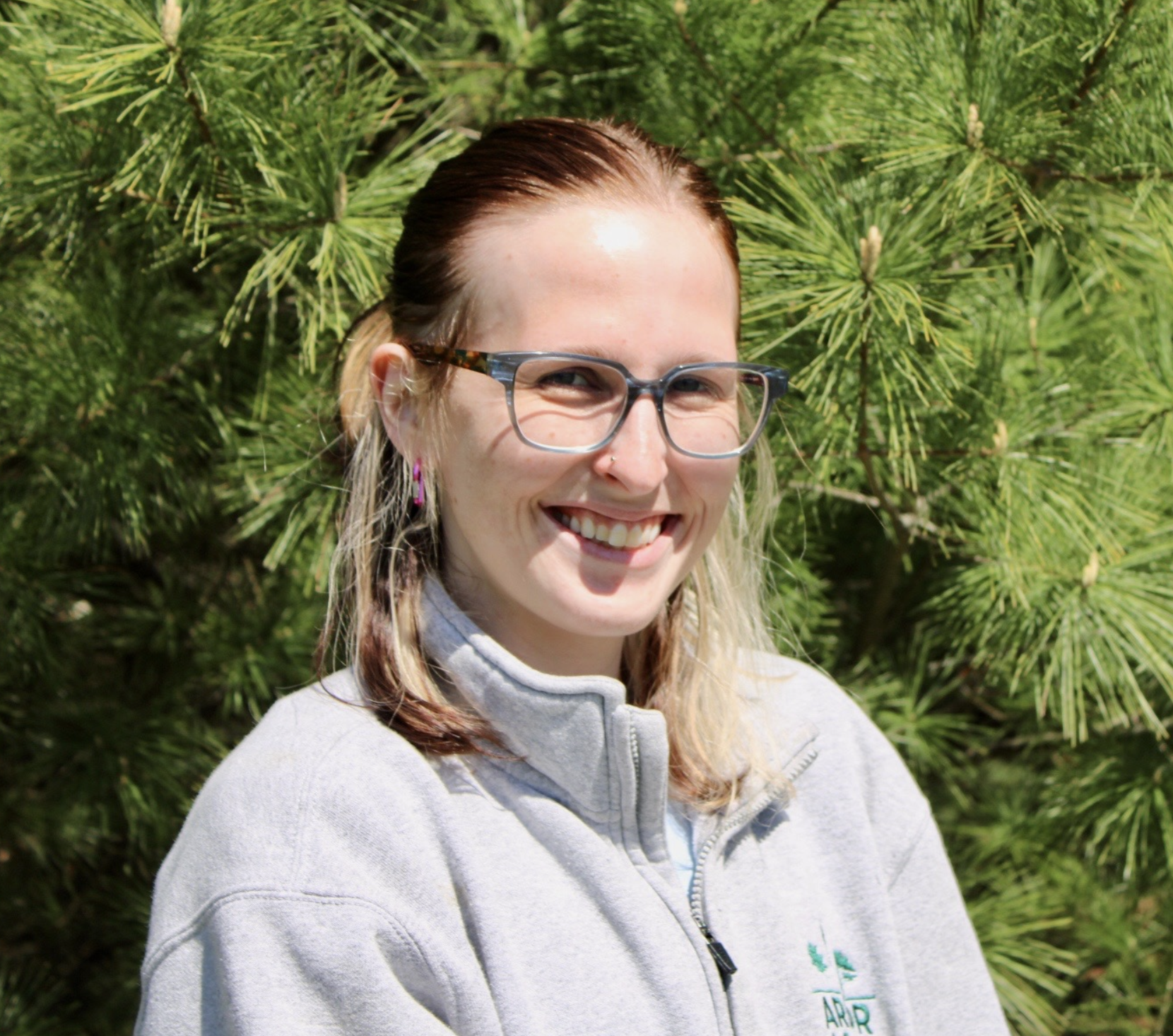
Sarah
Crew Lead
- ISA Certified Arborist
- Associate of Science Natural Resource Management
Sarah is an ISA Certified Arborist and crew lead with a background in natural resource management. Her climbing and pruning experience supports hands-on care for landscape trees.
Read Sarah’s profile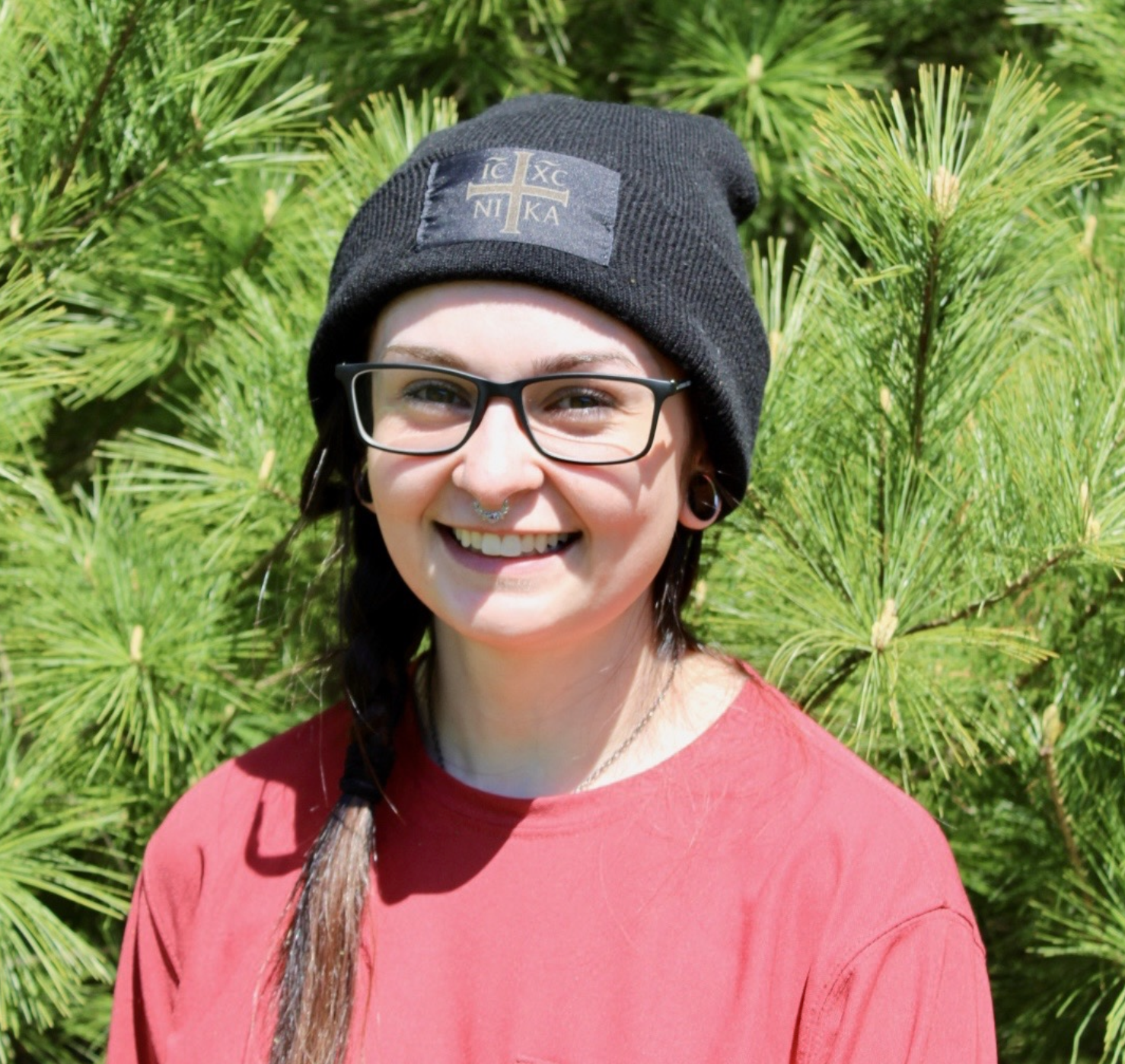
Megan
Plant Health Care Technician
- Bachelor of Science Environmental Science
Megan works in plant health care, bringing her environmental science background to caring for the trees and plants in your landscape.
Read Megan’s profile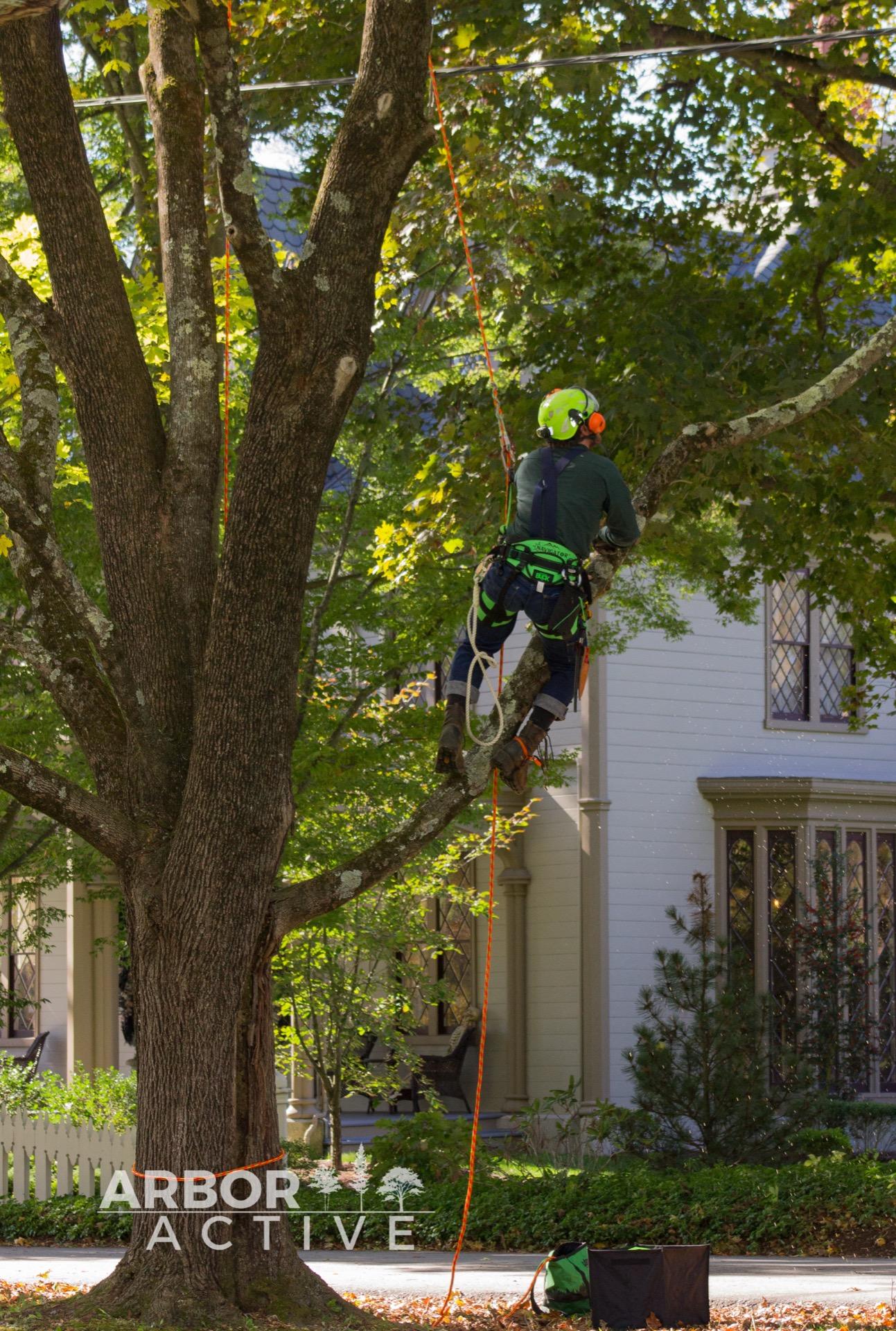
Know what needs attention before spring.
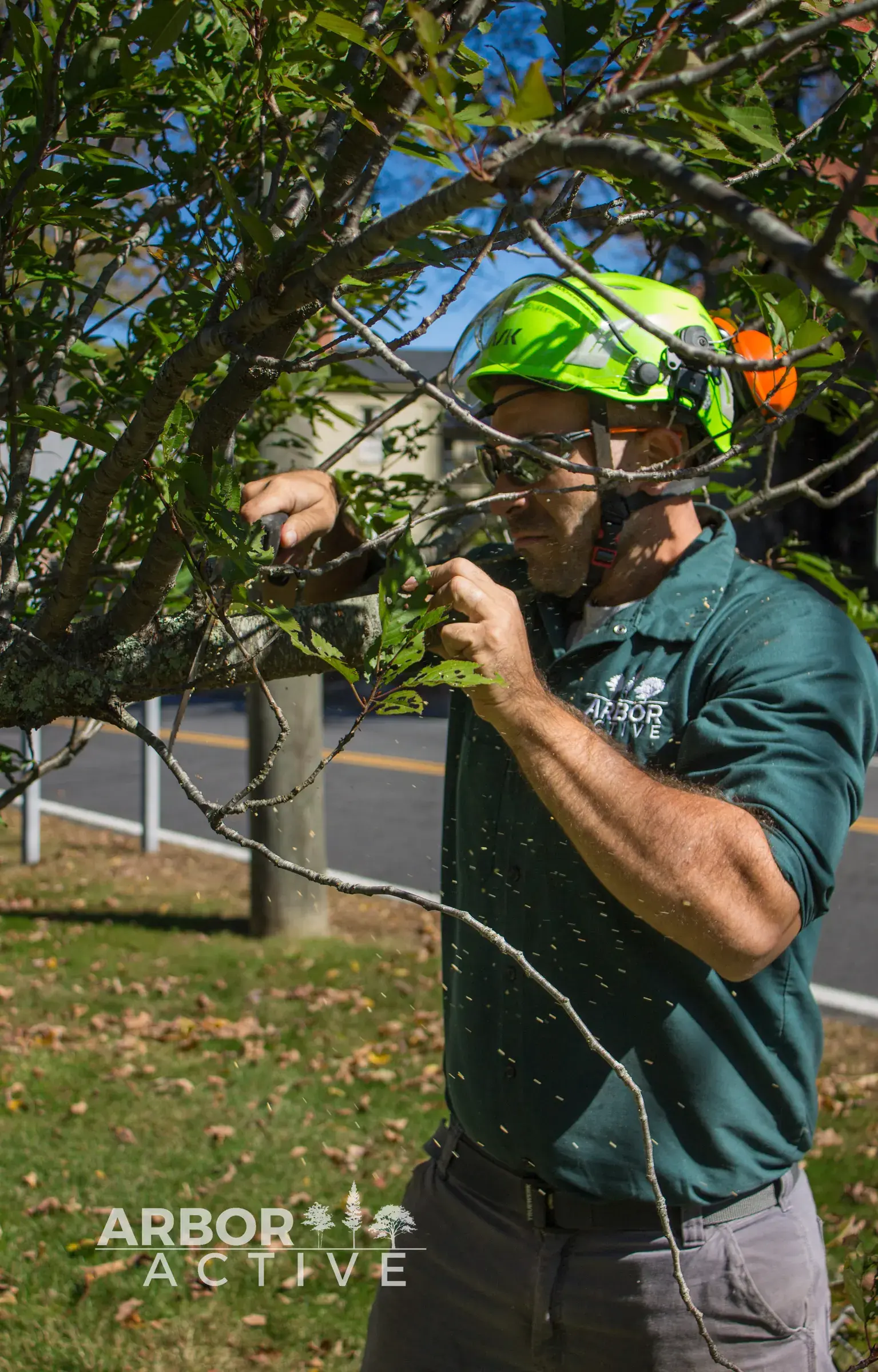
Without leaves on deciduous trees, branch structure is easier to see. That can help an arborist evaluate competing stems, crossing branches and clearance around your home. It also gives you time to plan care before the next growing season.
Winter is a good pruning window for many trees, but species and purpose matter. Pruning a spring-flowering ornamental at the wrong time can remove flower buds. Fruit trees have their own priorities. We choose the work and its timing around the tree, your goals and conditions on the property.
Plan my winter tree careWhat would you like to care for?
Winter Tree Inspections
Has that branch over the driveway changed?
A branch over the roof, a damaged limb, or a change in your tree deserves a closer look. An arborist can assess the tree and help you decide what needs attention now and what to monitor.
Tell us about recent storm damage, cracks, hanging limbs or branches getting closer to a roof, driveway or walkway. We consider the tree together with the space around it. If a closer assessment is needed, we can discuss that next step before you commit to work.
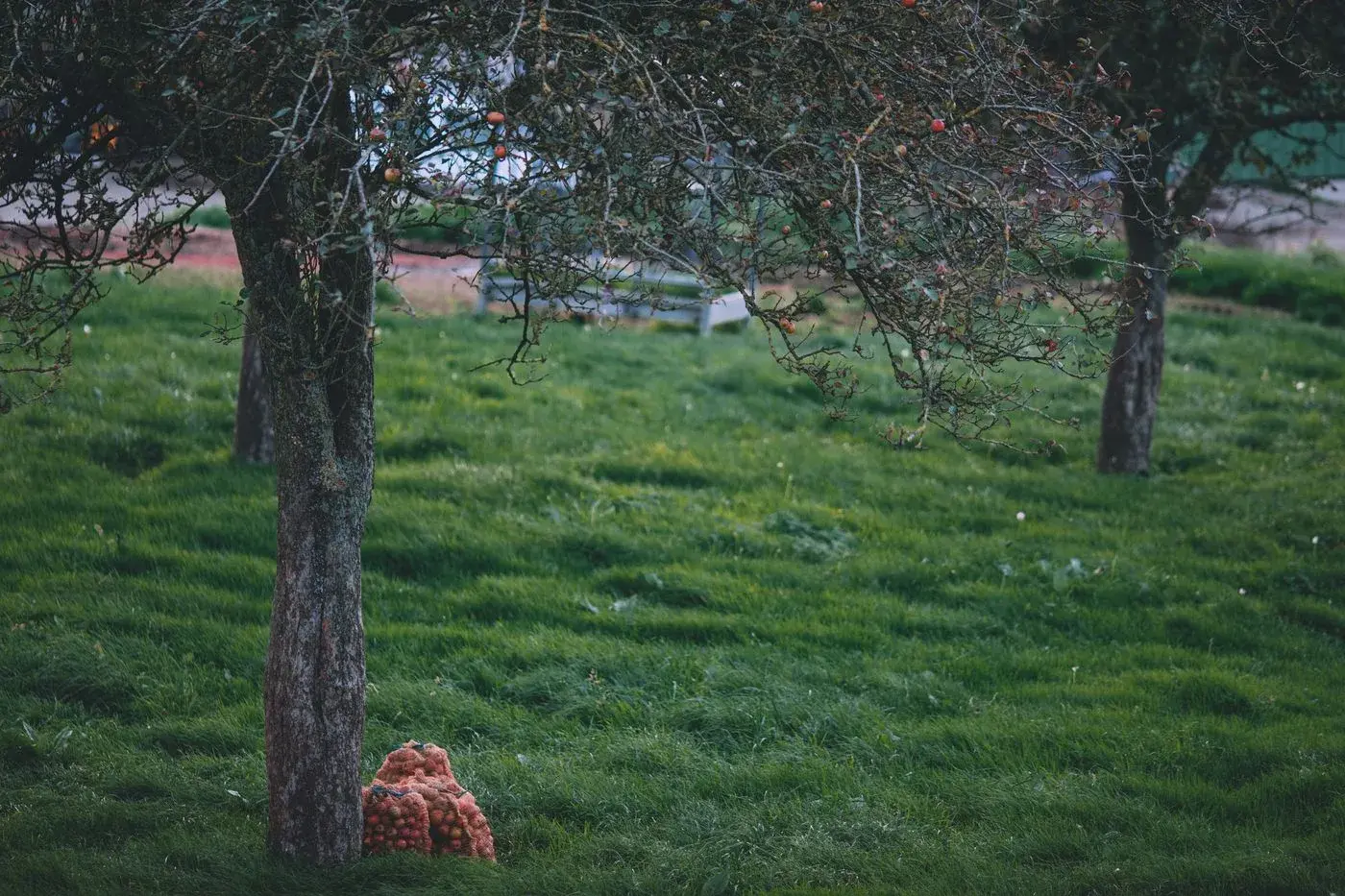
Fruit Tree Pruning
A crowded apple tree. Fruit that is getting harder to reach.
An apple tree that has become crowded needs a different approach from a young tree still developing its framework. Pruning starts with the species, age, condition and what you want from the tree.
For suitable species, dormant-season pruning can help manage structure and open the canopy to light. Older, neglected trees may need gradual work over more than one season. We discuss the timing and extent of pruning rather than assuming every fruit tree should receive the same treatment.
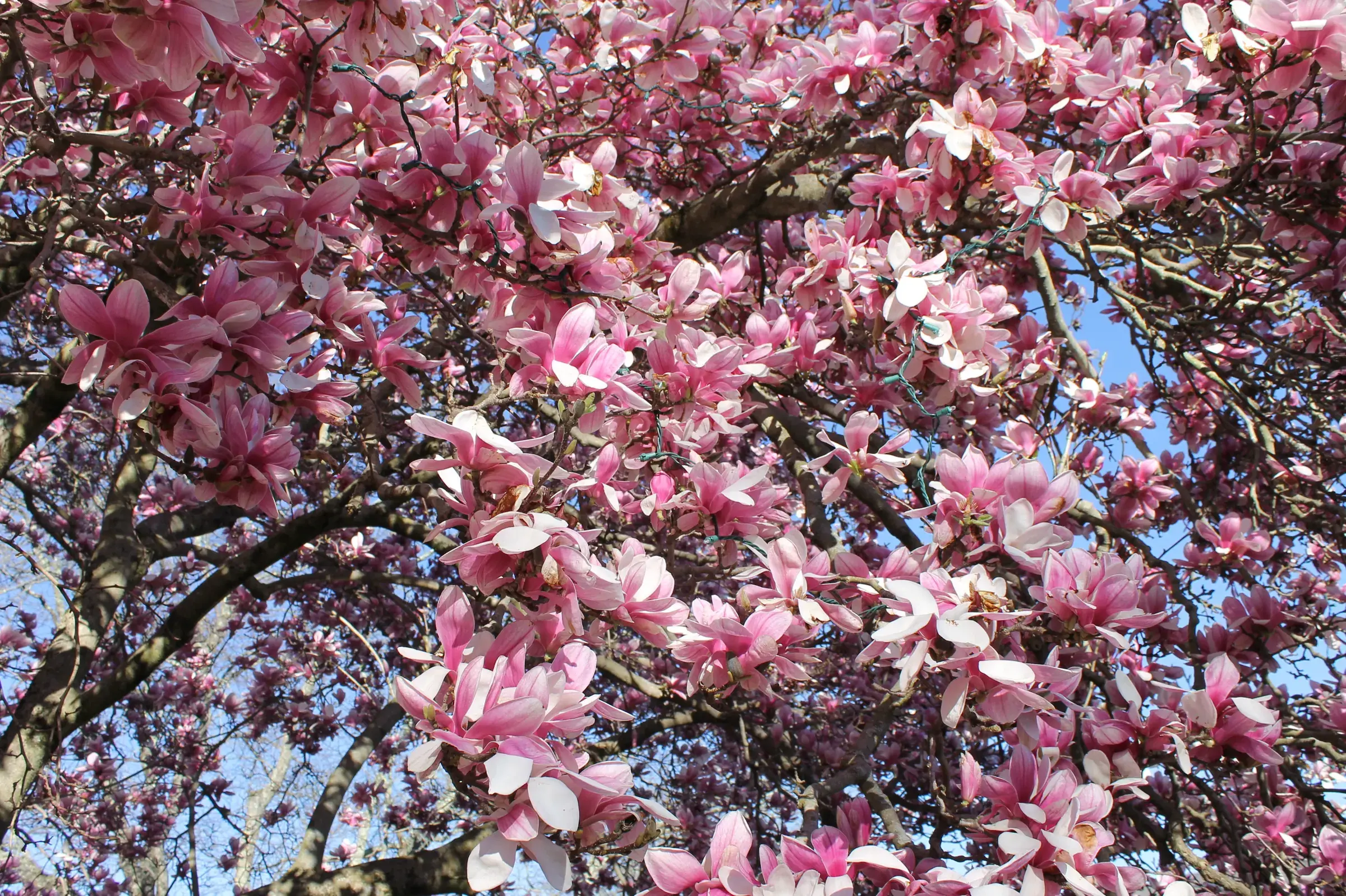
Ornamental Tree Pruning
A favorite flowering tree that is crowding the front walk.
Branches near the house, crossing limbs and deadwood each call for different decisions. Selective pruning addresses clearance and structure while retaining the natural character of the trees in your landscape.
A flowering tree beside the front walk, a specimen tree in the garden and a mature shade tree each deserve a clear objective. We consider branch structure, future growth and flowering time. Some work belongs later in the year, and keeping a healthy branch can be the right recommendation.
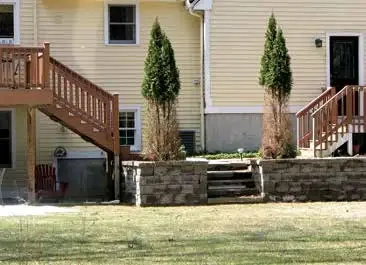
Deer Repellent
Deer eating the bottom of your arborvitae?
Winter browsing can damage the plants around your home. Tell us where you are seeing deer activity and which plants are affected. Our team can discuss repellent options and follow-up care for your property.
A useful plan starts with the plants you want to protect and the pressure they are under. Repellents can help discourage feeding, but they require appropriate use and follow-up. We can also discuss when physical protection deserves consideration, especially around young trunks or heavily browsed plantings.
Prefer a physical barrier? Explore landscape deer fence installation.
The right pruning schedule depends on the species, its condition and the reason for the work. We will recommend the timing that suits your trees.
You do not have to know what to ask for.
Tell us what you have noticed, or which tree matters most to you. Our team can help you choose a useful next step.
Make the consultation useful for your property.
You do not need to know the diagnosis or the name of a service. A description of what you see and what you want to achieve gives us a place to start.
Show us what matters to you
A favorite flowering tree, fruit production, branches near the house or repeated deer browsing can all shape the plan. Include the property location, the trees involved and any access concerns in your request.
Discuss the priorities and timing
Talk through the concern, what the arborist can observe, and whether pruning, monitoring, plant health care or further assessment makes sense. Ask what can wait and what deserves attention sooner.
Understand the proposed work
Before authorizing work, confirm which trees or plants are included, the objective, timing, access, cleanup and follow-up. A shared understanding of the scope helps you compare options and plan the next step.
Before you book
Do all trees benefit from winter pruning?
No. Species, health, flowering time and the purpose of pruning all matter. Some trees need work in another season, while others may not need pruning at all. We can discuss that during the consultation.
Can you help with one tree?
Tell us about it. A single fruit tree, an ornamental beside a walkway or one tree near the house is enough to start a conversation. We will confirm property availability and the appropriate next step.
What if a branch looks dangerous right now?
Keep people away from the area and call 860-337-4850 from a safe location. A hanging limb or sudden tree failure needs a different response from routine seasonal care. For immediate danger to people, contact emergency services; stay clear of fallen wires and contact the utility.
Emergency tree serviceSchedule your winter tree care.
Request a free consultation with an arborist. Share your property location and what you have noticed, and our team will follow up to arrange the next step.
Meet our arborists