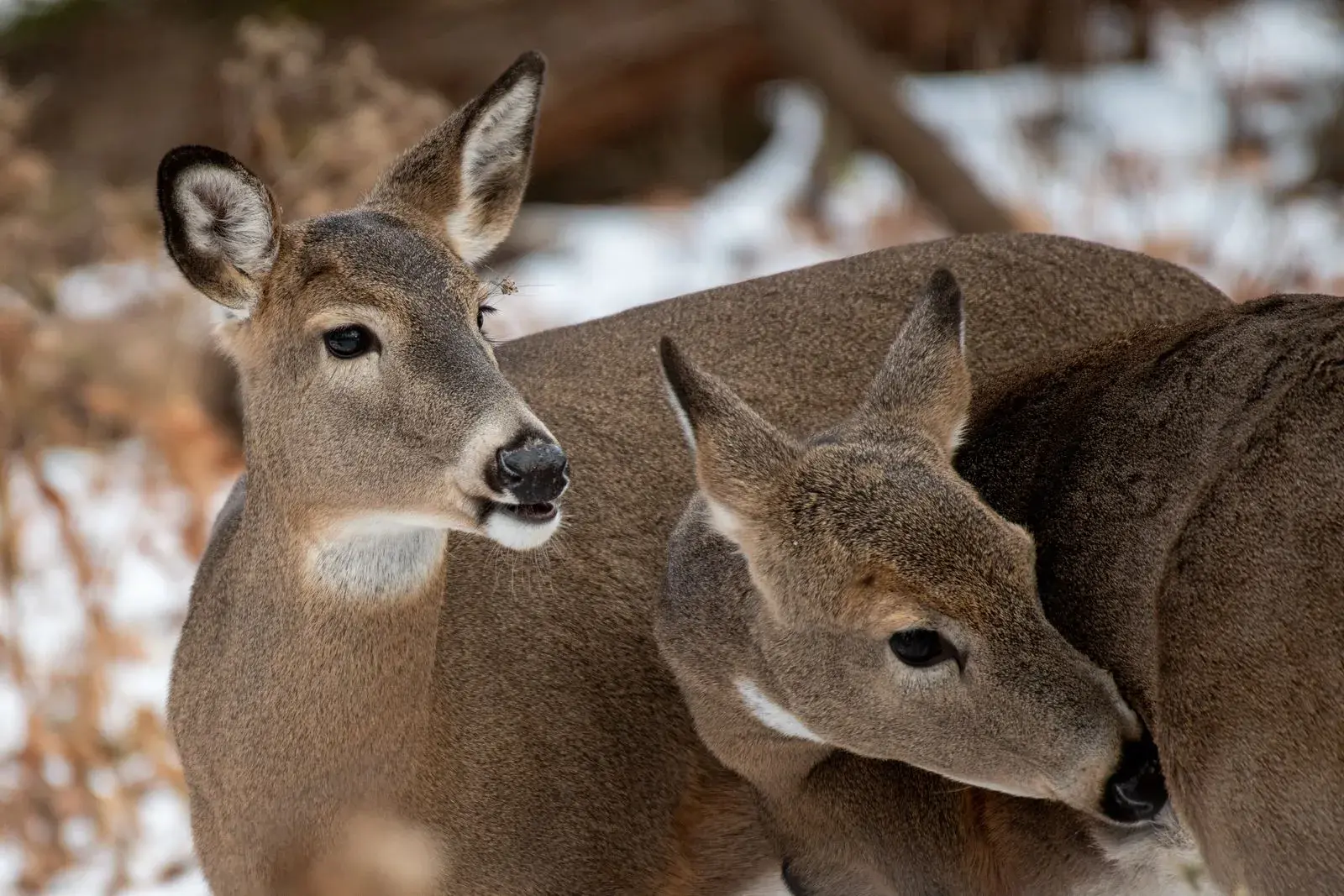
Deer repellent for the landscape you love.
Arborvitae stripped bare at the bottom? Shrubs browsed again each year? Get a plan to help protect your privacy screens, garden shrubs and new plantings, starting with a free consultation.
See what deer damage looks likePlant health care for properties in Connecticut, Massachusetts and Rhode Island. Contact us to confirm availability for your location.
Green on top. Bare underneath. Sound familiar?
A row of arborvitae can lose the very foliage that makes it a privacy screen. Deer feeding on reachable branches can leave green tops above a band of bare twigs and exposed trunks.
These real examples show how severe browsing can change a planting. If your shrubs are starting to look like this, let’s discuss the remaining growth, the plants’ condition and a plan to help limit further feeding.
Help protect my arborvitae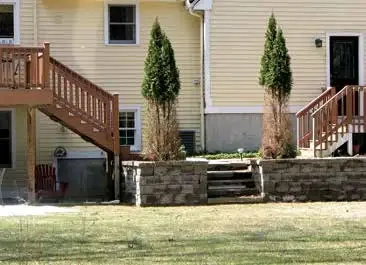
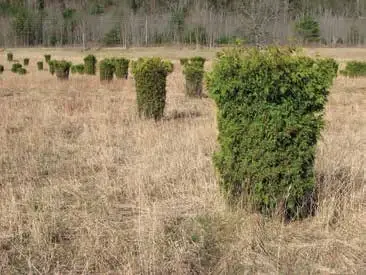
Notice the pattern
Missing reachable foliage, torn tips and recurring damage can point to browsing. Browning alone can have other causes, so the whole plant deserves a look.
Protect what remains
Discuss repellent and physical protection before more growth is lost. The best approach depends on deer pressure, the plants and the site.
Be realistic about recovery
Arborvitae branches without living buds may stay bare. We can discuss recovery potential and what that means for your privacy screen.
Want a physical barrier around your plantings?
ArborActive also helps plan and install landscape deer fencing. Explore enclosure layouts, materials, gates and how our team gets the fence installed.
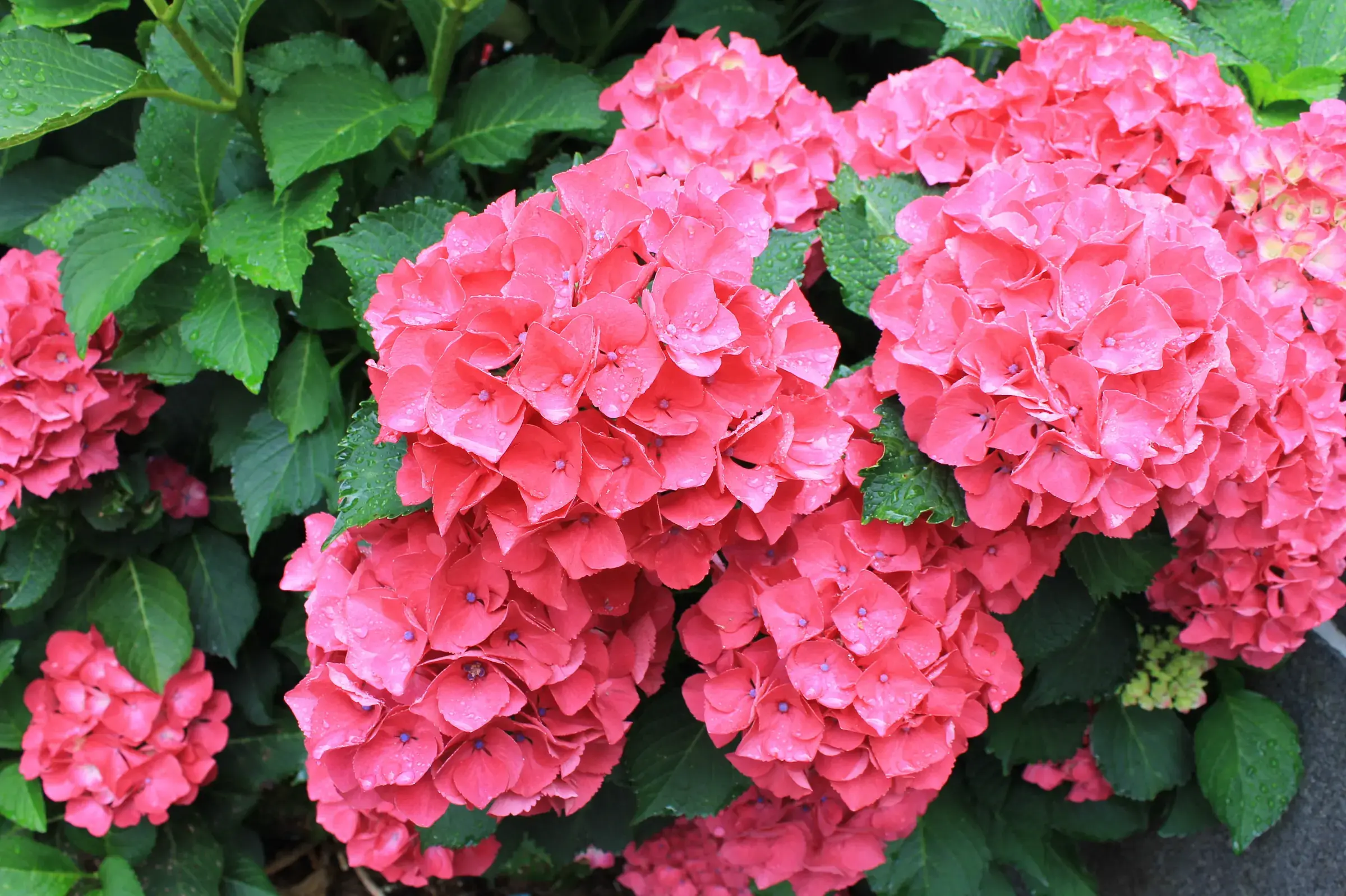
Keep the garden you have put so much into.
One young landscape tree, a row of screening shrubs and a garden bed may need different protection. Tell us where damage appears, when it started, and whether you have actually seen deer feeding there. Other wildlife and plant problems can leave damage too.
We can discuss a repellent plan in the context of your whole landscape, including the plants you want to keep, the condition they are in and how you use the space. That keeps the conversation focused on protecting valuable growth and choosing a practical approach for the property.
- Arborvitae and privacy screens: help protect the foliage that creates separation around your home.
- Foundation and garden shrubs: focus on the plants being repeatedly browsed near entries, patios and beds.
- New landscape plantings: discuss protection while young trees and shrubs become established.
A protection plan for your property.
The plants and the damage
Identify the trees, shrubs or beds you want protected. Photos of the whole planting and the affected growth help us understand the concern. Include whether the problem is new, seasonal or recurring and what you have already tried.
The right protection
Repellents work through taste or odor to discourage browsing. They may be useful for selected landscape plants, while guards or fencing may deserve consideration for particularly vulnerable plants. We can discuss those choices without assuming a spray is the answer to every situation.
Scope and follow-up
Confirm which plants are included, the planned service and any preparation or access instructions. Repellent protection is temporary; product directions, exposure and new growth affect follow-up. Discuss what to watch for between visits and how additional work is handled.
Seeing fresh browsing? Let’s plan the next step.
An arborvitae hedge, a favorite shrub or a new planting is a good place to start. Tell us what is being eaten and where you are seeing damage.
Meet our plant health care team.
Get to know the people behind ArborActive. Our arborists and plant health care staff bring different specialties to the same goal: helping you understand and care for your landscape.

Victoria Burton
Arborist and Plant Health Care Manager
- Master of Science in Plant Science
- ISA Certified Arborist
- Tree Risk Assessment Qualified
Victoria combines plant science with tree care and diagnostics. Her work connects what you see in the canopy with the health and growing conditions of the whole plant.
Read Victoria’s profile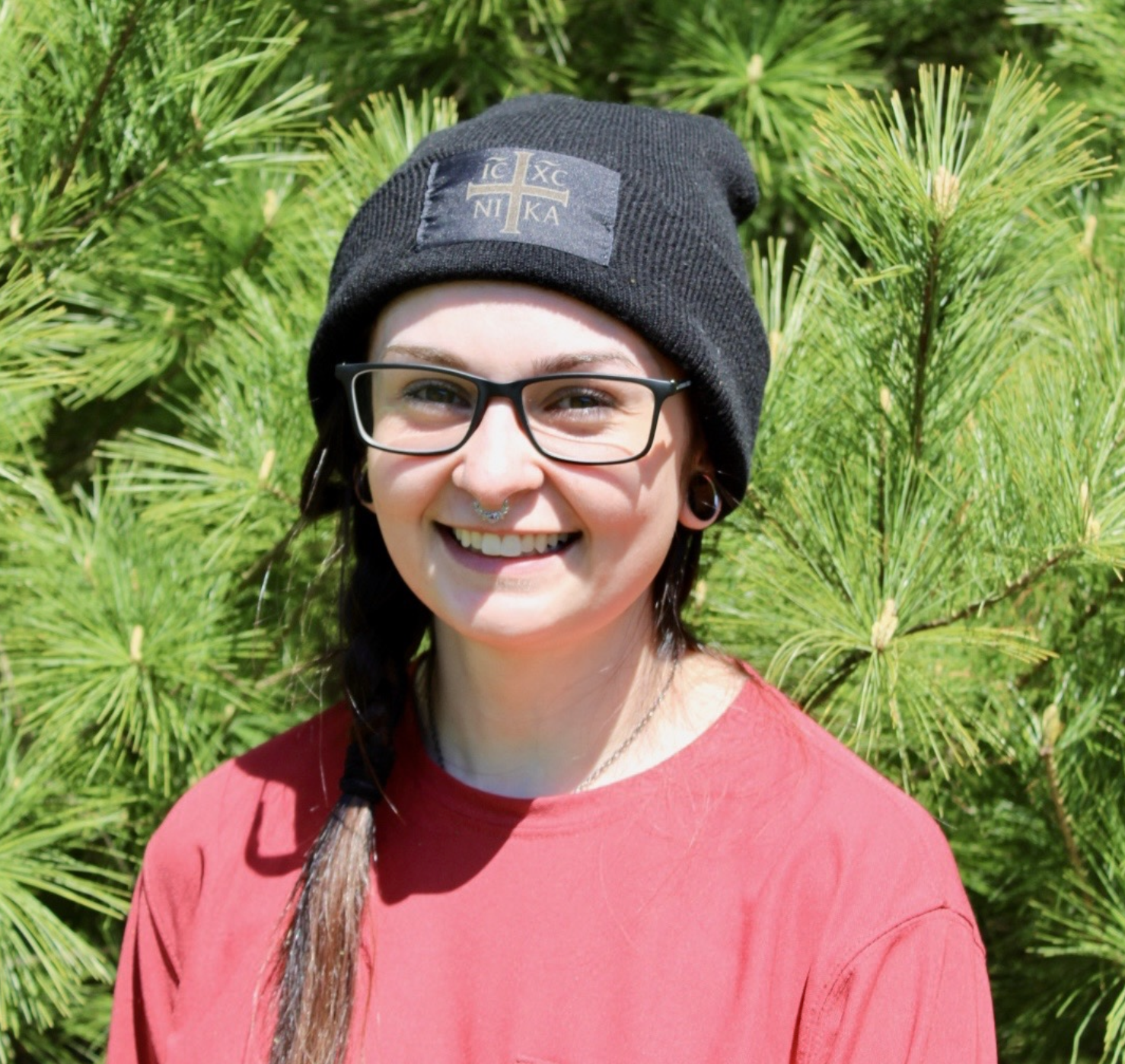
Megan
Plant Health Care Technician
- Bachelor of Science Environmental Science
Megan works in plant health care, bringing her environmental science background to caring for the trees and plants in your landscape.
Read Megan’s profileDeer repellent questions
Will the bare bottom of my arborvitae grow back?
It depends on whether living buds remain on the affected branches. Some browsed areas may produce new growth, while branches without viable buds can remain bare. Repellent cannot fill those gaps back in. We can assess the plants and discuss protecting remaining foliage, monitoring recovery and options for a damaged privacy screen.
Will repellent keep every deer out of my yard?
Repellent is intended to discourage feeding on protected plants. It does not create a barrier around the property or guarantee that deer will stop visiting. Where browsing pressure is high, physical protection may be a better fit or part of a combined approach.
Is one application enough for the season?
There is no universal schedule. Product directions, weather exposure, plant growth and continued browsing affect follow-up. Ask what is included in the proposed service and when to contact the team if you notice fresh damage.
Can you treat around pets, children or edible plants?
Tell us how the area is used and identify any edible plants before work is planned. Product selection, permitted uses and access instructions must match the actual site and label. We will discuss the relevant precautions rather than assuming one product suits every garden.
Will damaged plants grow back?
That depends on the plant, the extent and location of the damage, and its overall condition. Repellent cannot replace lost foliage or repair injured bark. A plant health assessment can help separate protection of future growth from care for damage that has already occurred.
What does the service cost?
The plants involved, their size, access and the proposed scope all matter. Send your location and a description of the area you want protected so our team can discuss the appropriate service and pricing with you.
Tell us what you want to protect.
Share your location, the plants involved and the deer activity you are seeing. Our team will follow up to discuss your property and the next step.
Explore winter tree care