Take Back
Your Land
Invasive plants are destroying landscapes across Connecticut, Massachusetts, and Rhode Island. We remove them and restore your property to its natural beauty.
The Invasive Species Problem
Invasive plants are one of the biggest threats to property in New England. They grow aggressively, choke out native trees and shrubs, damage structures, reduce property values, and create dense, unusable areas on your land.
If left unchecked, invasive vines like Oriental Bittersweet can strangle and kill mature trees. Japanese Knotweed can crack foundations. Multiflora Rose can turn a usable field into an impenetrable thicket in just a few years.
The good news: with the right approach, these plants can be controlled and your land restored. We've helped homeowners, towns, and land trusts reclaim hundreds of acres across the region.
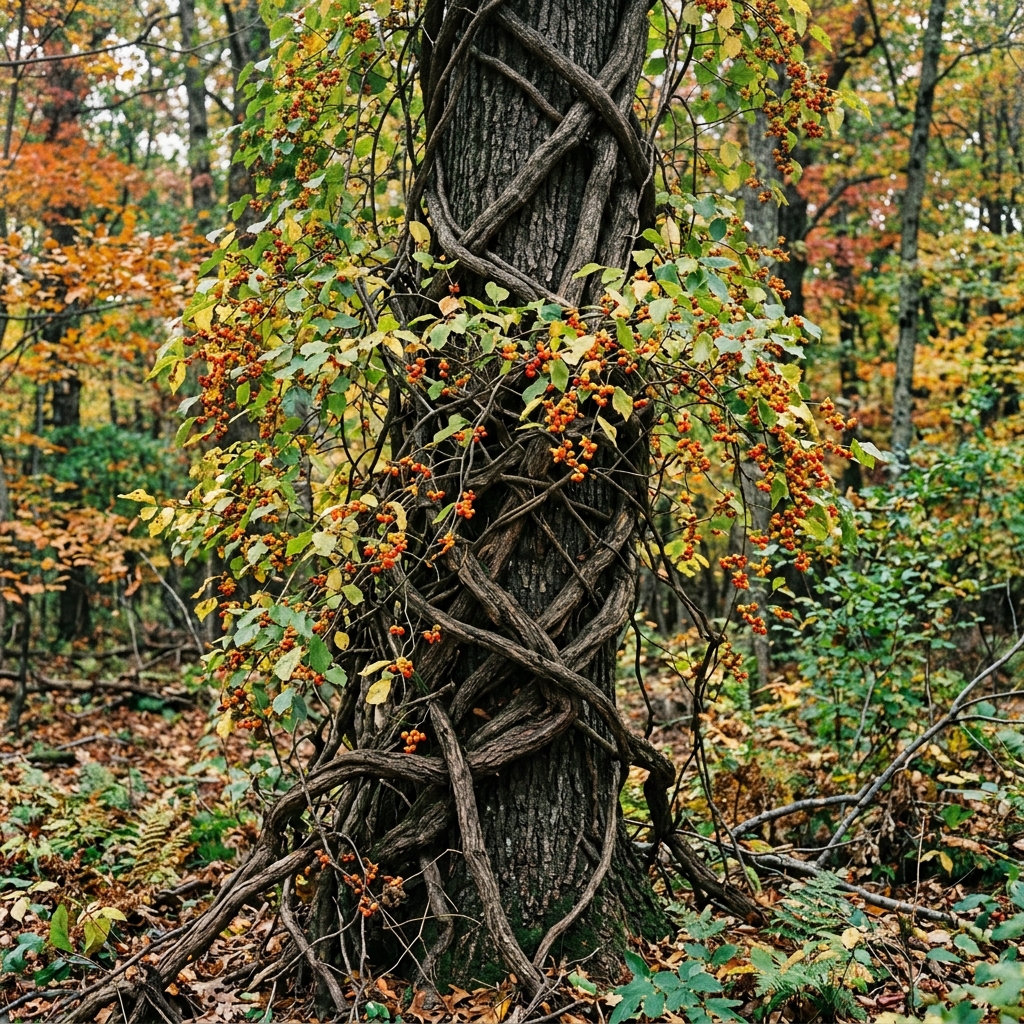
Oriental Bittersweet
Left unchecked, this vine will strangle and kill mature trees within a few years.
Our Vegetation Management Services
We handle everything from small backyard cleanups to large-scale municipal and land trust projects. Every job starts with a site assessment and a clear plan.
Mechanical Removal
Hand cutting, pulling, and removal of invasive plants. Best for smaller areas, sensitive sites near water, and properties where chemical use isn't preferred.
- Hand pulling of seedlings and young growth
- Chain saw cutting of large woody stems
- Root extraction where feasible
- Hauling and disposal of all material
Forestry Mulching
For larger areas, our forestry mulcher grinds invasive shrubs, small trees, and dense brush down to the ground in a single pass. Fast, efficient, and leaves a clean mulch layer behind.
- Clears dense brush quickly
- Leaves organic mulch layer on site
- Minimal soil disturbance
- Right-of-way and trail clearing
Targeted Herbicide Treatment
Some invasive species can't be fully eradicated without treating the root system. We use targeted, cut-stump and foliar applications to kill roots without harming surrounding native plants.
- Cut-stump treatment (most precise)
- Foliar spray for large infestations
- Basal bark treatment for woody stems
- Licensed MA pesticide applicators
Native Replanting
Removing invasives is only half the job. If you don't replant with native species, the invasives come right back. We install native shrubs and ground covers to fill the gap.
- Native shrub and tree planting
- Seed mixes for meadow restoration
- Erosion control on slopes
- Follow-up monitoring
Site Mapping & Planning
For large properties, we create detailed maps of invasive species locations, density, and recommended treatment zones. This lets you budget and phase the work over time.
- GPS-mapped invasive locations
- Priority treatment zones
- Multi-year management plans
- Budget-friendly phasing
Follow-Up & Monitoring
Invasive plant management isn't a one-time job. Most species require 2 to 3 years of follow-up treatment to fully eradicate. We build monitoring visits into every plan.
- Scheduled re-treatment visits
- Progress documentation
- New invasive detection
- Native establishment checks
Common Invasive Species in CT, MA & RI
These are the species we deal with most often. If you see any of these on your property, they're almost certainly spreading.
Oriental Bittersweet
Woody VineThe most common and destructive invasive vine in our region. It wraps around tree trunks, strangles them, and adds weight that causes storm damage. Seeds spread by birds.
How We Remove It
Cut stems, treat stumps with herbicide, remove vine material. Requires 2+ years of follow-up.
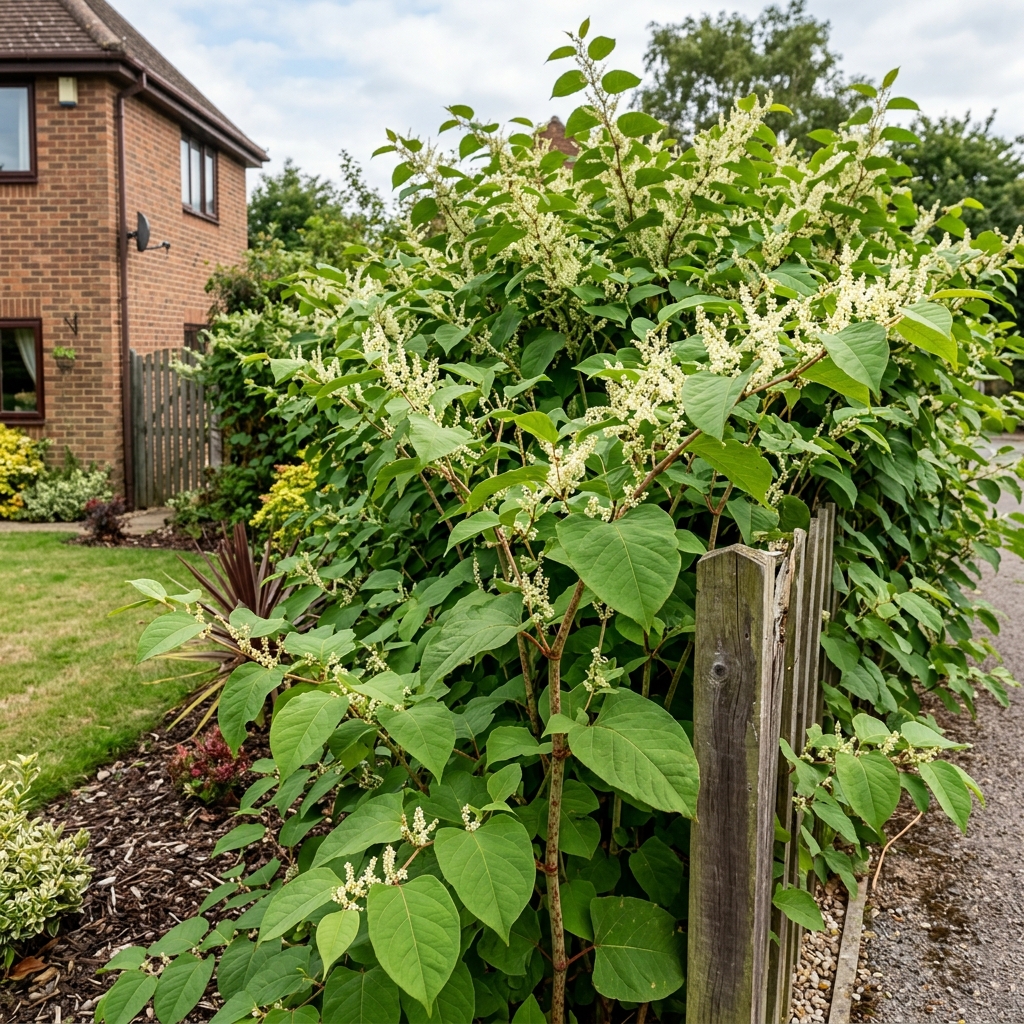
Japanese Knotweed
Herbaceous PerennialGrows 3 inches per day. Cracks foundations, buckles driveways, and is nearly impossible to remove without professional help. Root systems can extend 20+ feet.
How We Remove It
Repeated cutting combined with systemic herbicide injection. Full eradication takes 3 to 5 years.
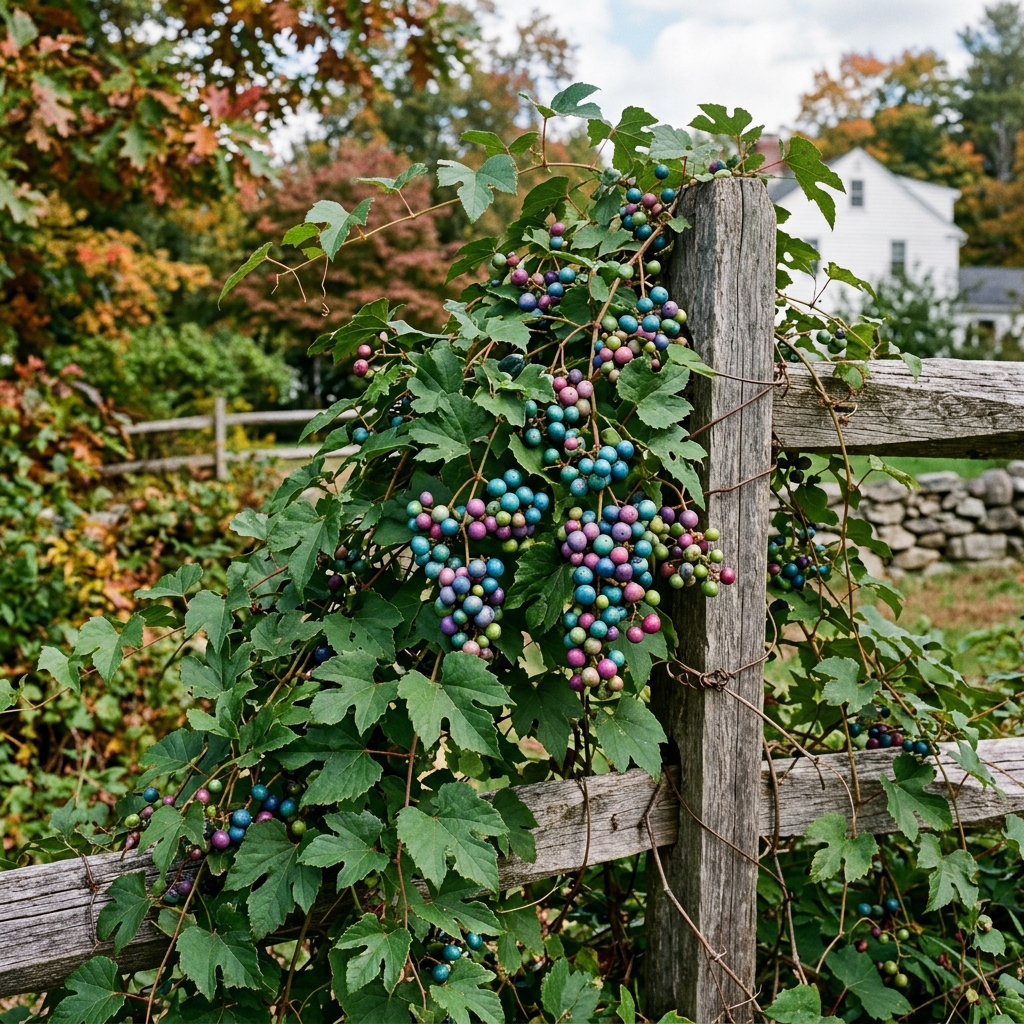
Porcelain Berry
Woody VineSmothers trees and shrubs with dense growth. Colorful berries are spread rapidly by birds. Often confused with wild grape but much more aggressive.
How We Remove It
Cut and treat stumps. Foliar spray for dense infestations. Monitor for 2 to 3 years.
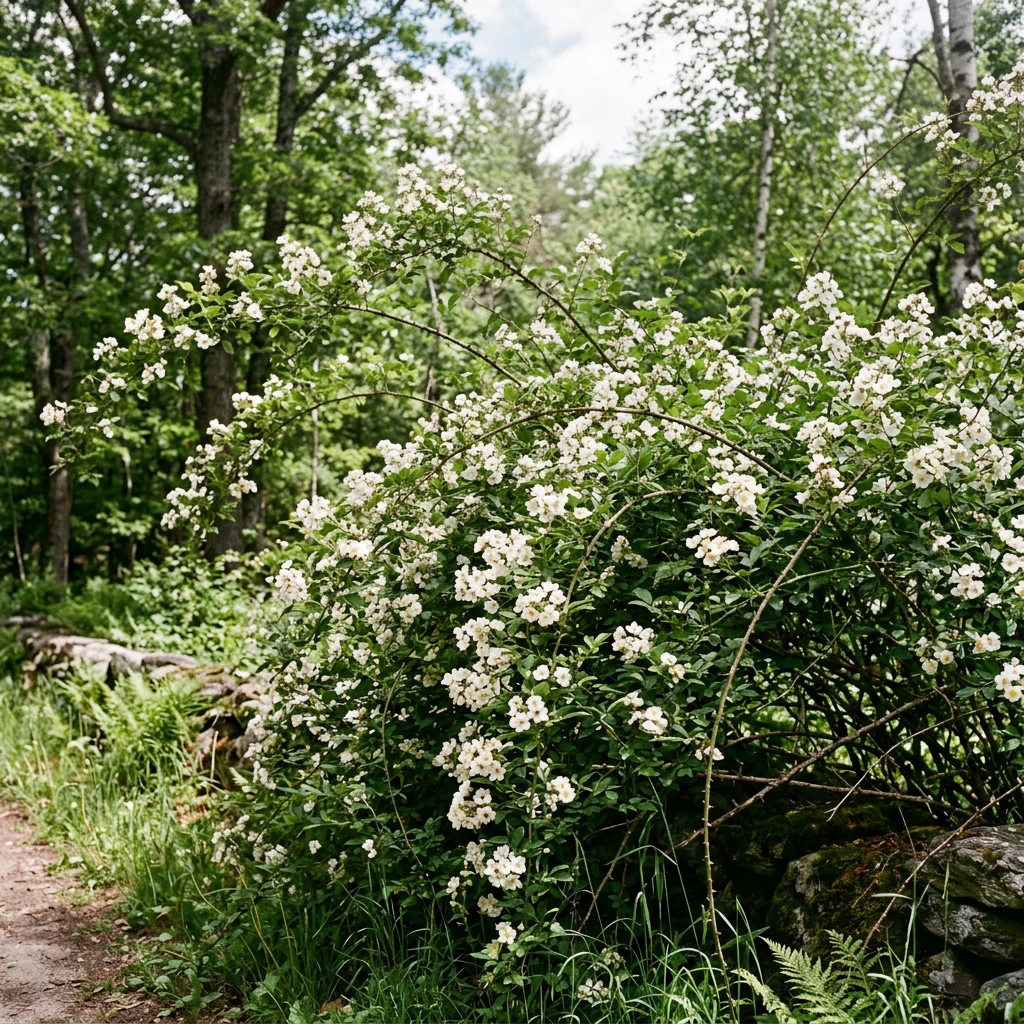
Multiflora Rose
Thorny ShrubCreates dense, impenetrable thickets along forest edges and in fields. Originally planted as a 'living fence,' it now invades hundreds of thousands of acres.
How We Remove It
Forestry mulching for large areas, hand cutting for sensitive sites, stump treatment to prevent regrowth.
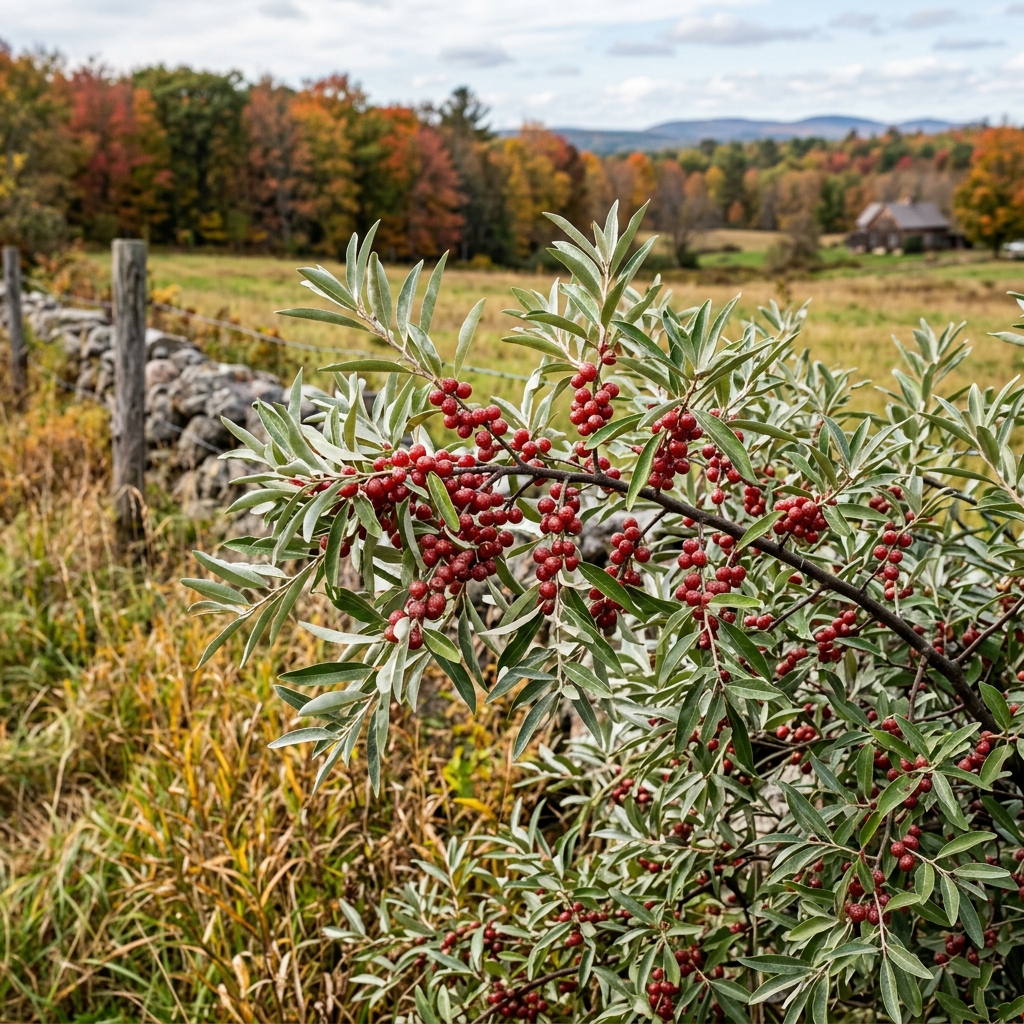
Autumn Olive
Deciduous ShrubPlanted widely for erosion control and wildlife, but now one of the most aggressive invaders. A single plant produces over 200,000 seeds per year.
How We Remove It
Cut and treat stumps in fall. Foliar spray seedlings. Monitor for new growth for 2 years.
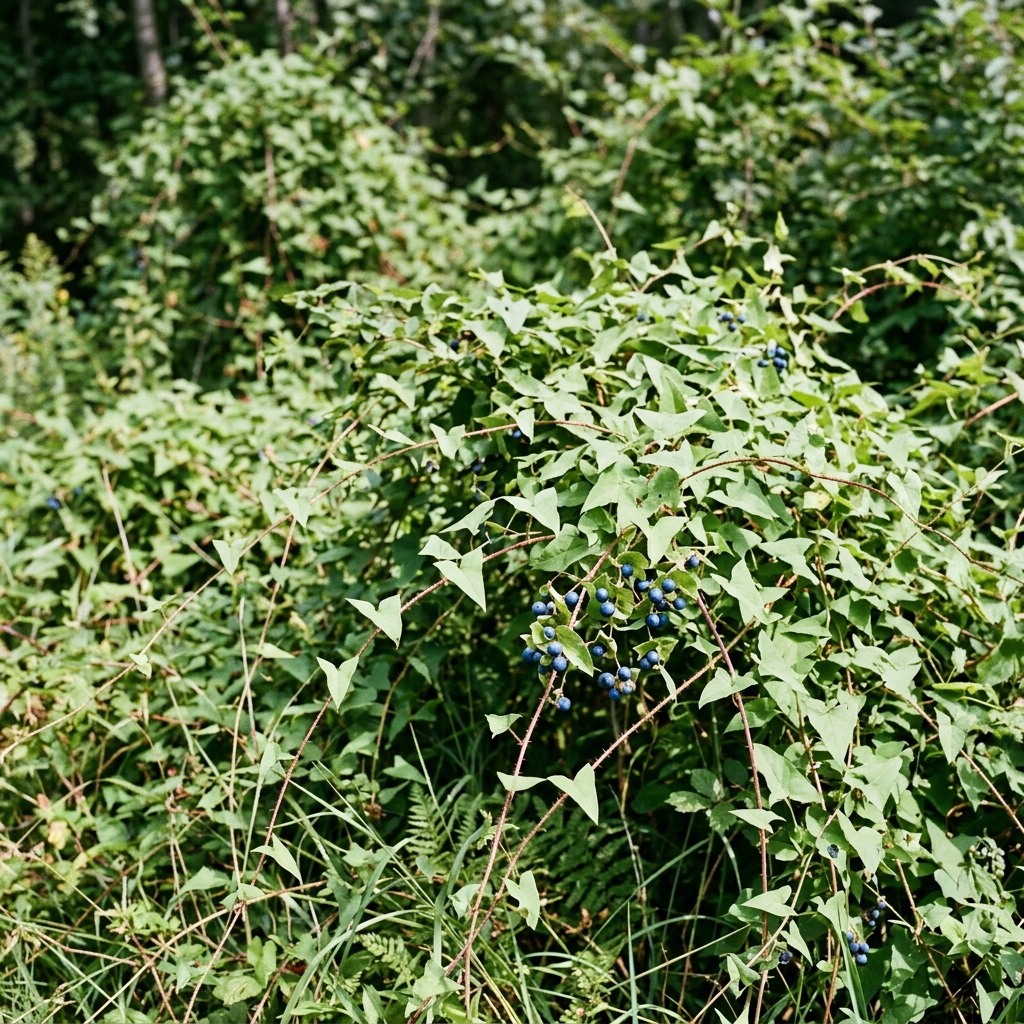
Mile-a-Minute Vine
Annual VineGrows up to 6 inches per day and blankets everything in its path. Active and expanding in CT and RI. Must be controlled before it sets seed in late summer.
How We Remove It
Hand pulling before seed set. Herbicide for large populations. Replant with aggressive native cover.
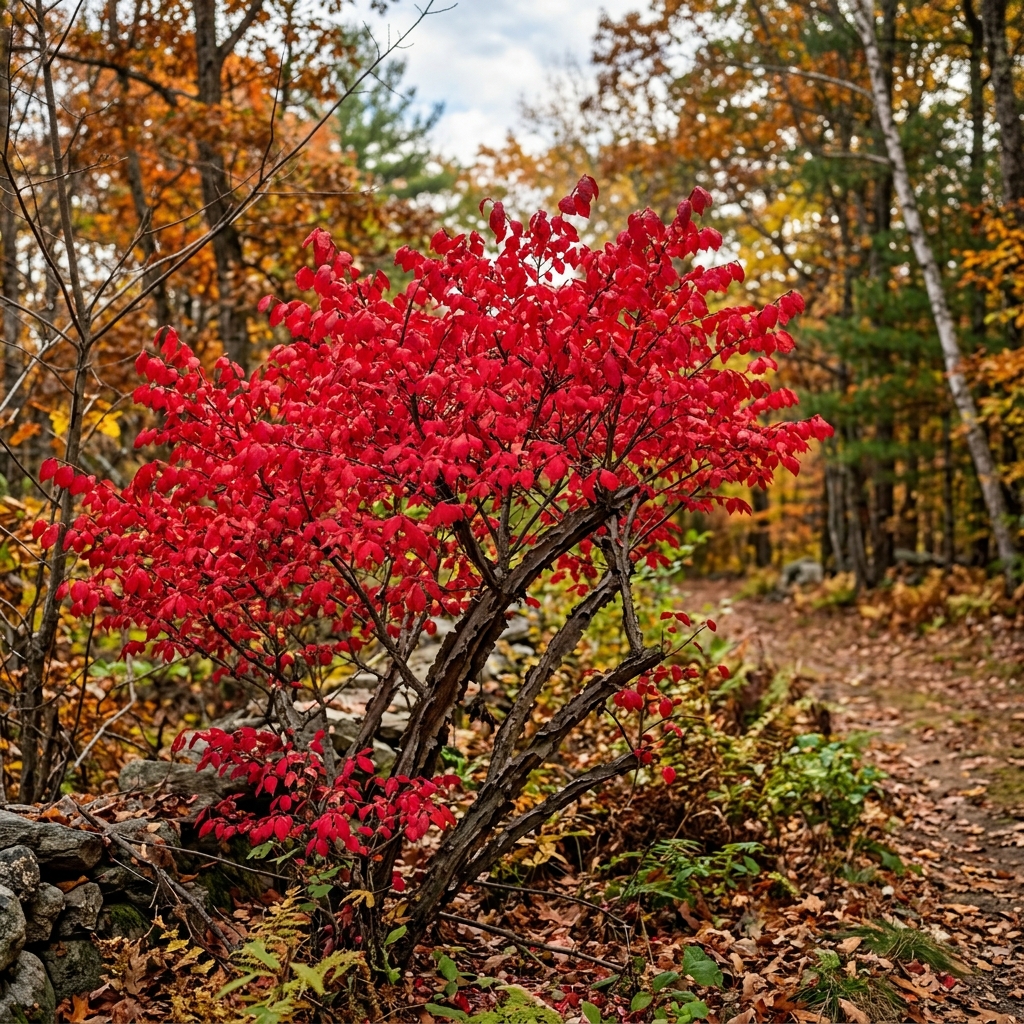
Burning Bush
Deciduous ShrubWidely planted as an ornamental, but it escapes yards and invades forest understories. It displaces native shrubs that wildlife depends on.
How We Remove It
Remove existing plants, treat stumps. Replace with native alternatives like Itea or Fothergilla.
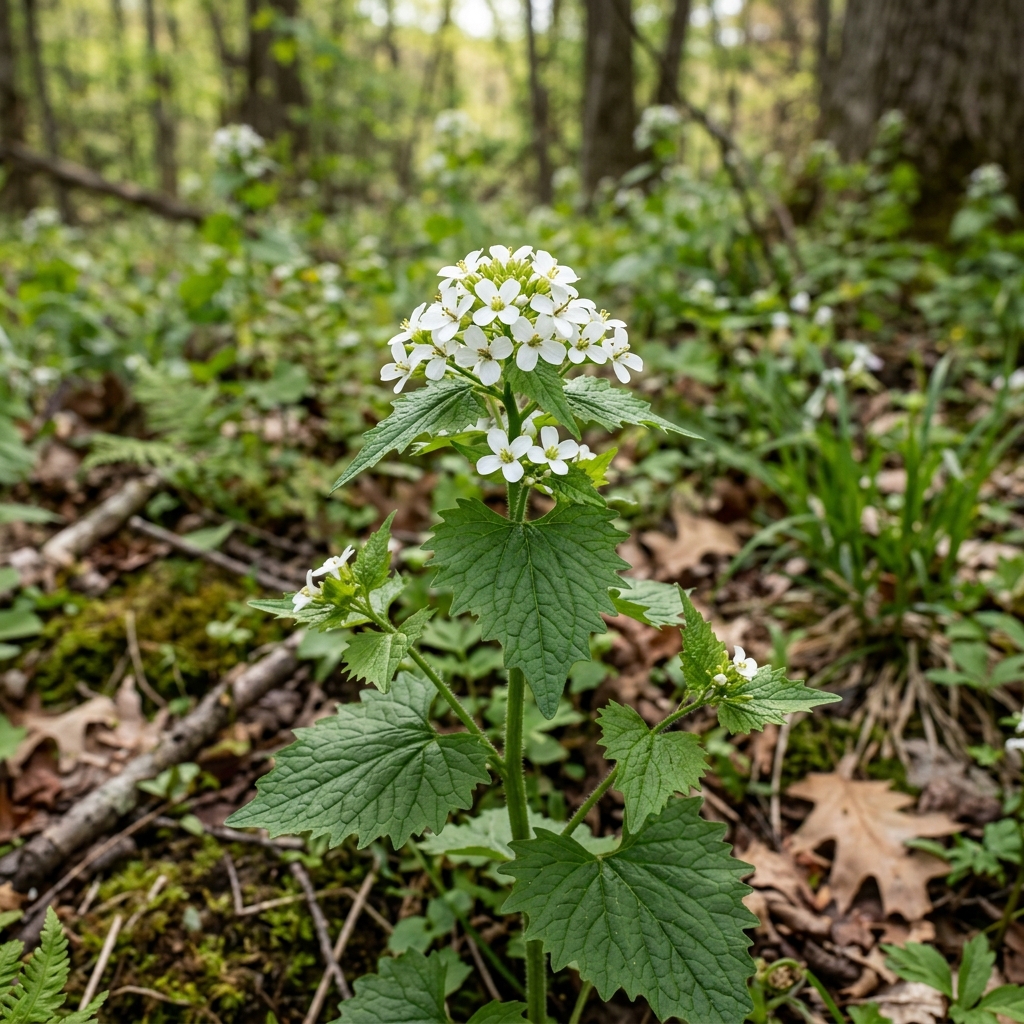
Garlic Mustard
Biennial HerbA ground-level invader that releases chemicals into the soil that kill beneficial fungi trees depend on. Spreads rapidly through forests and shaded areas.
How We Remove It
Hand pulling before flowering (spring). Repeated annually for 3 to 5 years to exhaust seed bank.
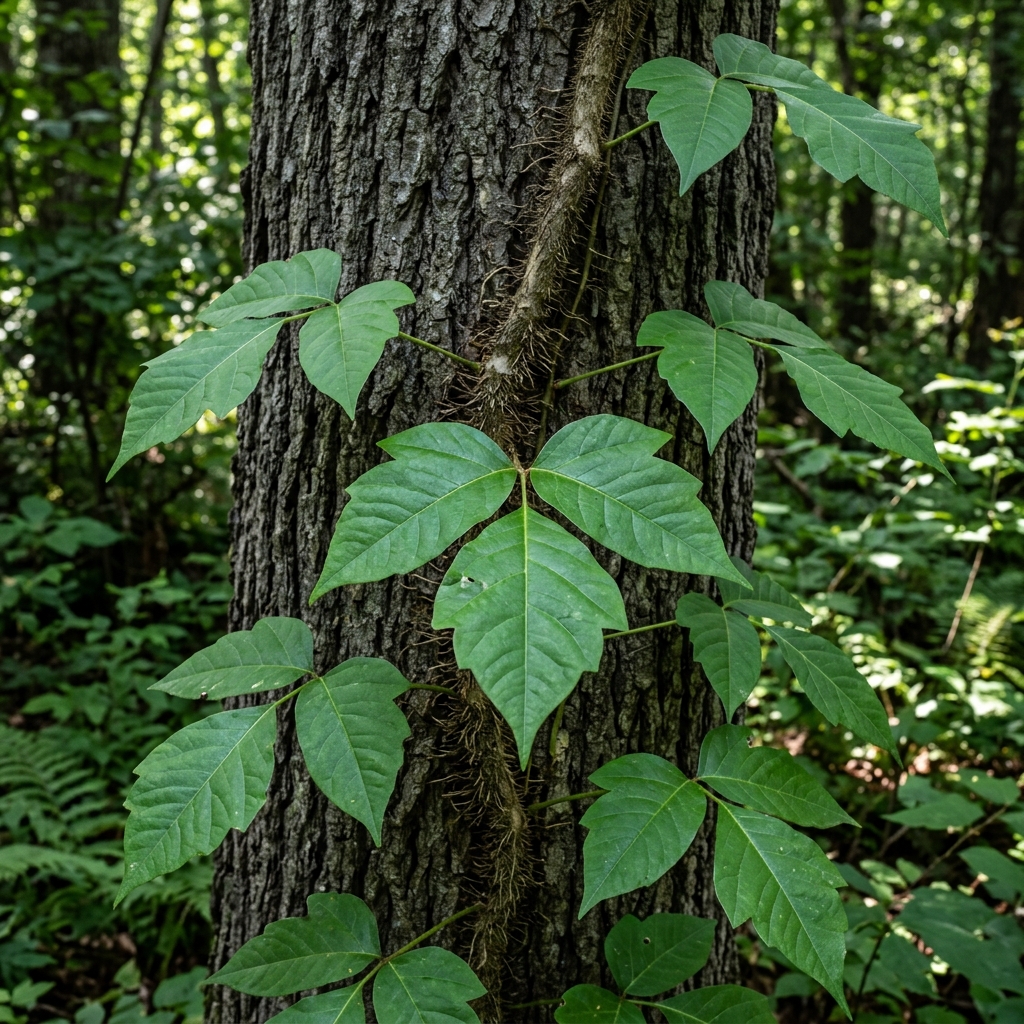
Poison Ivy
Vine / GroundcoverNot technically invasive, but a major hazard on residential and commercial properties. All parts of the plant cause severe allergic reactions in most people.
How We Remove It
Targeted herbicide application to avoid spreading oils. Full removal of vine material. Safety gear required.
Our Process
Site Assessment
We walk your property and identify every invasive species present, map the extent of each infestation, and note any native plants to protect.
Management Plan
You receive a clear, written plan with treatment methods, timeline, and pricing. We explain everything in plain language so you know exactly what to expect.
Initial Treatment
Our crew performs the first round of mechanical removal, forestry mulching, and/or herbicide treatment. We protect all native plants and trees during the process.
Follow-Up & Restore
We return for scheduled re-treatment visits to catch regrowth. Once the area is clear, we replant with native species to prevent reinvasion.
Vegetation Management for Every Property Type
Homeowners
Backyards overrun with bittersweet, poison ivy, or knotweed. We clear it out and make your property usable and beautiful again.
Municipalities
Parks, open spaces, right-of-way corridors, and town-owned woodlands. We work with DPW and conservation commissions.
Land Trusts
Preserve and protected land management. We help restore natural habitats and maintain trails and conservation areas.
Commercial Properties
Office parks, campuses, and apartment complexes where invasive plants are creating liability, maintenance, or aesthetic problems.
Vegetation Management FAQ
How long does it take to remove invasive plants?
The initial clearing can often be done in 1 to 3 days depending on the area. But full eradication of most invasive species requires 2 to 3 years of follow-up treatment to catch regrowth from root systems and seed banks.
Can you remove invasives without chemicals?
Yes. We offer mechanical-only removal for sensitive areas, waterfront properties, and clients who prefer organic approaches. It typically requires more follow-up visits, but it's effective.
What happens after the invasives are removed?
We recommend replanting with native species to fill the gap. Without replanting, invasive species will almost always return because the empty space and disturbed soil create perfect conditions for them.
Do you work on large properties?
Absolutely. We handle everything from small backyard cleanups to 50+ acre land trust and municipal projects. For large jobs, we use forestry mulching equipment that can clear dense brush efficiently.
How much does vegetation management cost?
Costs depend on the size of the area, density of the infestation, and species involved. Small residential jobs start around $500 to $1,500. Larger projects are quoted per acre. We provide free estimates.
Is Japanese Knotweed really that hard to remove?
Yes. Knotweed has root systems that can extend 20+ feet underground. Cutting it without treating the roots actually makes it spread faster. Professional treatment with systemic herbicide is the only reliable method, and it typically takes 3 to 5 years.
Care for Your
Trees & Property.
At ArborActive, we take genuine pride in providing thoughtful, hands-on stewardship for your trees and landscape because healthy, beautiful trees matter. No matter the size of your property, whether it's a small yard or a larger estate, every client receives the same consistent, high-quality care from our certified team. That includes our core services as standard: expert invasive plant management to protect your space, precise scientific pruning that truly strengthens tree structure and supports long-term health, and reliable Plant Health Care diagnostics and treatment to catch and address issues early, delivering proactive, science-driven results you can see and trust year after year.
ISA Board Certified Master Arborists | TRAQ Risk Assessment | Invasive Plant Management Specialist
Scientific Preservation for CT & MA Property Owners