Keep Your Trees
Healthy & Thriving
Our Plant Health Care program finds problems early and treats them before they get worse, protecting the trees that make your property beautiful.
What Is Plant Health Care?
Plant Health Care (PHC) is a proactive approach to keeping your trees and shrubs healthy. Instead of waiting until a tree looks sick, we regularly monitor, test, and treat your plants to prevent problems before they start.
Think of it like going to the doctor for a checkup instead of waiting until you're in the emergency room. Early detection of insects, disease, and soil problems saves trees, and saves you money.
Our certified arborists use soil testing, visual inspections, trunk injections, and targeted treatments to address the root cause of tree health issues, not just the symptoms.
Beech Leaf Disease
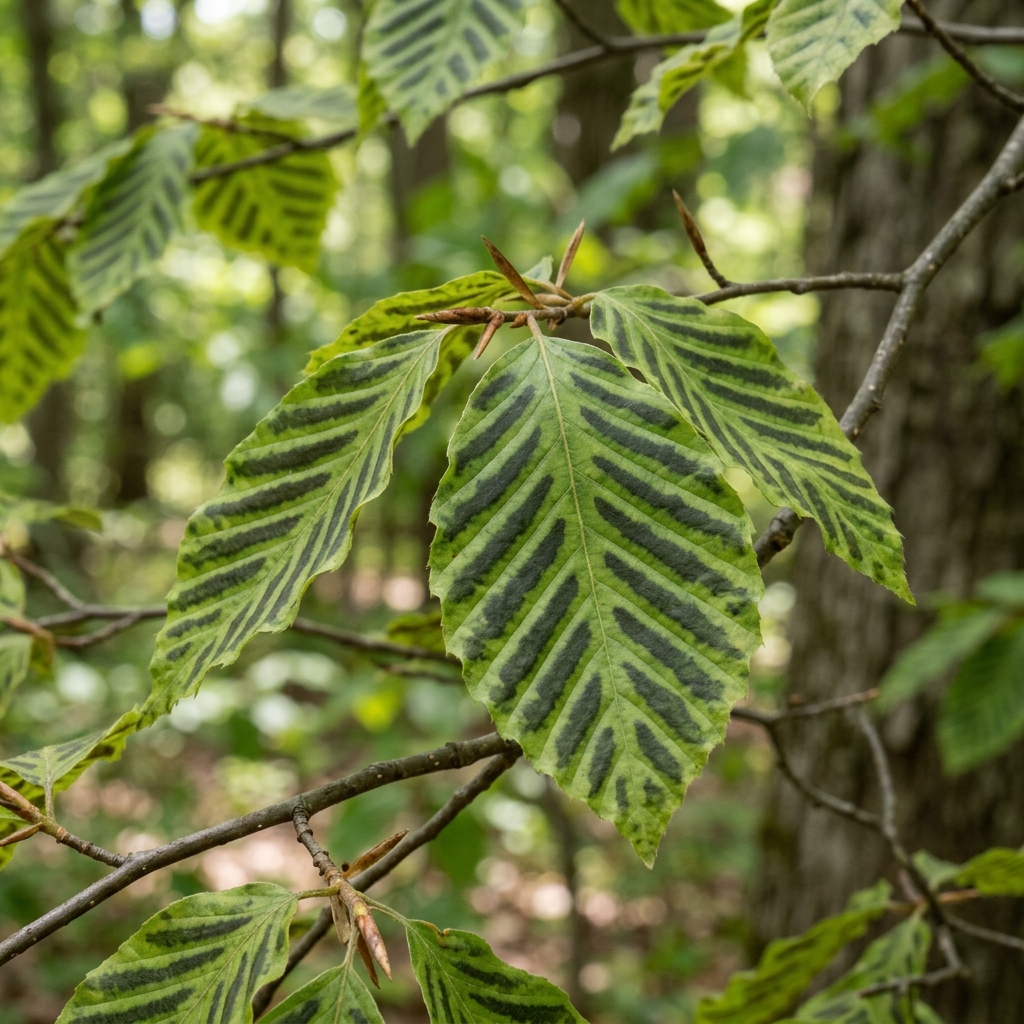
Dark banding between leaf veins, a fast-spreading disease now active in CT & MA.
Diagnose First, Then Treat
We never guess. Every treatment starts with proper diagnosis, soil tests, visual inspections, and lab analysis when needed. This way, you only pay for treatments your trees actually need.
Soil Health & Root Care
Most tree problems start underground. Compacted soil from foot traffic, construction, or poor drainage weakens trees from the roots up. We test your soil to find out exactly what's missing and create a custom treatment plan.
What We Do
- Soil nutrient & pH testing
- Root collar excavation (exposing buried root flares to prevent rot)
- Deep root fertilization with custom blends
- Soil decompaction using AirSpade technology
- Biochar & compost amendments to restore soil biology
Did you know? Over 80% of tree health problems we diagnose are related to soil issues, not the tree itself. Fixing the soil often fixes the tree.
Disease Identification & Treatment
Tree diseases spread fast and many have no cure once they've advanced. That's why early identification matters so much. We know the diseases active in our region and have the tools to fight them.
What We Treat
- Beech Leaf Disease: nematode-caused, spreading rapidly
- Oak Wilt: fungal, can kill red oaks in weeks
- Anthracnose: causes leaf spots and defoliation on oaks and maples
- Apple Scab & Cedar-Apple Rust on ornamentals
- Various needle casts on spruce, pine, and fir
Treatment methods: Trunk injections, foliar sprays, systemic fungicides, and plant growth regulators, chosen based on what will be most effective for your specific situation.
Insect & Pest Management
Destructive insects are a growing threat across New England. We use Integrated Pest Management (IPM), monitoring pest populations and only treating when necessary, so we protect your trees while minimizing chemical use.
Active Threats We Manage
- Emerald Ash Borer: preventive treatment saves ash trees
- Hemlock Woolly Adelgid: kills untreated hemlocks in 4 to 10 years
- Winter Moth: spring defoliation on oaks, maples, blueberries
- Spotted Lanternfly: new invasive, spreading into our region
- Tick & mosquito reduction programs for your yard
Our approach: We never blanket-spray. We identify the specific pest, determine if treatment thresholds are met, and use targeted methods that minimize impact on beneficial insects.
Pests & Diseases in CT, MA & RI
These are the biggest threats to trees and landscapes in our region right now. If you see signs of any of these on your property, call us. Early treatment makes all the difference.
Emerald Ash Borer
Affects: Ash Trees
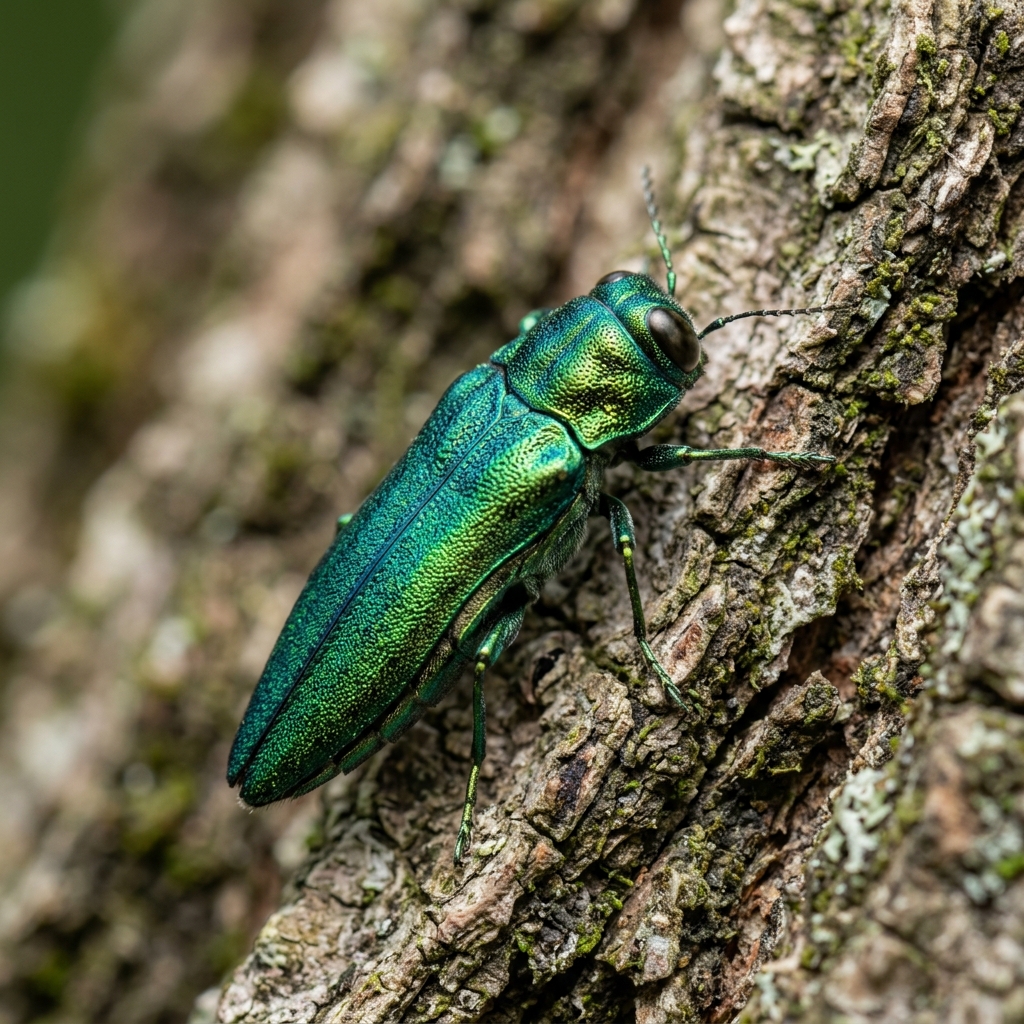
This metallic green beetle has killed hundreds of millions of ash trees across the U.S. It bores under the bark and cuts off the tree's ability to move water and nutrients. If you have ash trees, they need preventive trunk injections now. Once symptoms appear, it's often too late.
What to Look For
D-shaped exit holes in bark, crown thinning, bark splitting, woodpecker activity
Hemlock Woolly Adelgid
Affects: Hemlock Trees
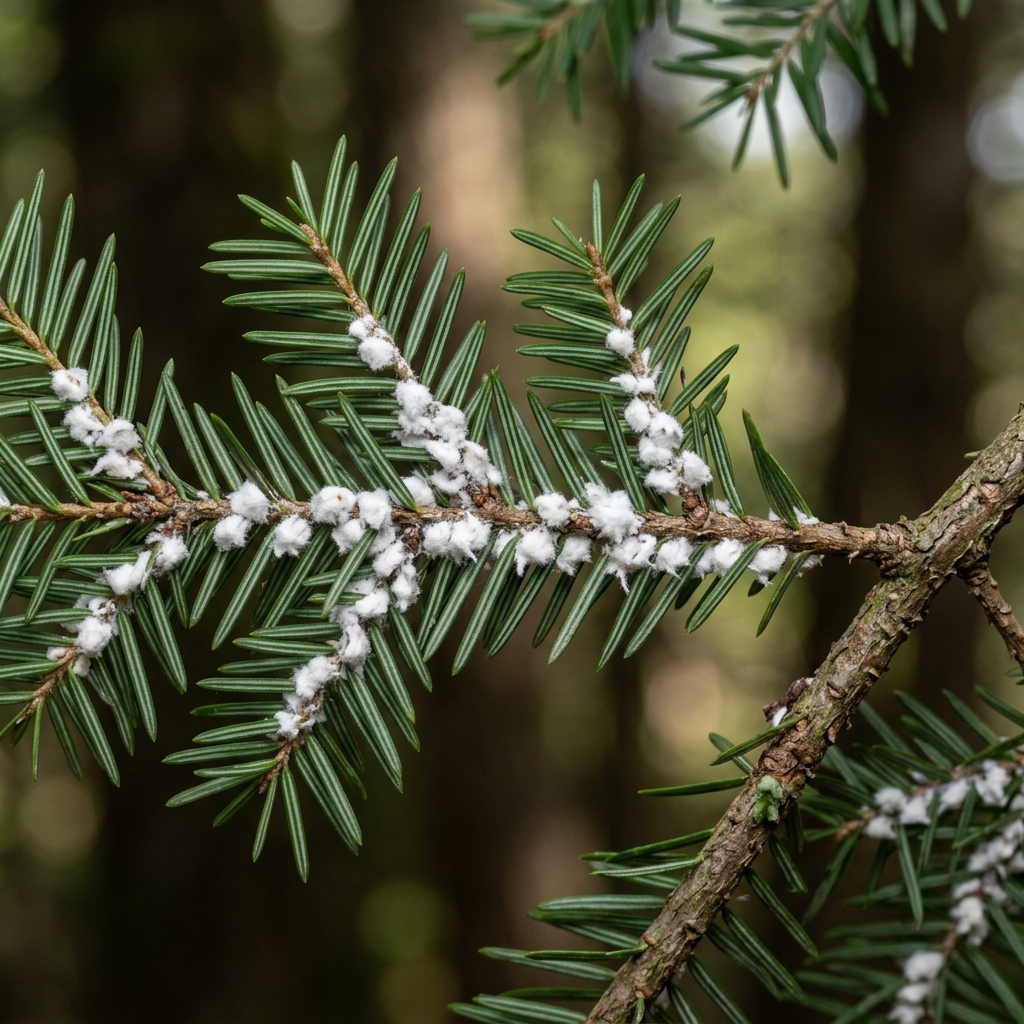
Look for small white cottony masses at the base of hemlock needles. These tiny insects feed on sap and will kill an untreated hemlock within 4 to 10 years. Treatment with systemic insecticides is very effective when caught early.
What to Look For
White woolly masses on branches, needle drop, gray or thinning canopy
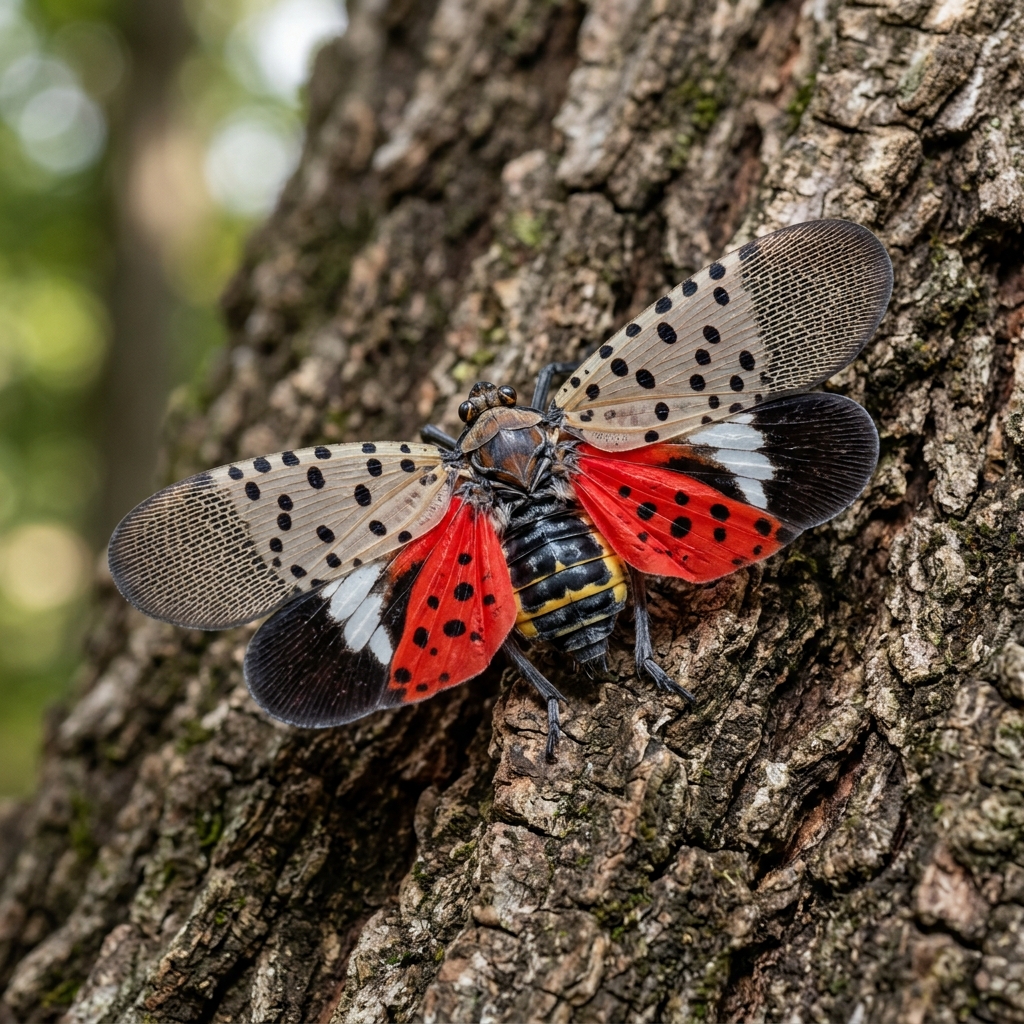
Spotted Lanternfly
Affects: Maple, Walnut, Fruit Trees
A new invasive pest moving into our region from the south. They feed on plant sap and excrete a sticky substance called honeydew that attracts black sooty mold. They attack over 70 different plant species.
What to Look For
Spotted wings (gray with black dots), red underwings, egg masses on flat surfaces
Beech Leaf Disease
Affects: American & European Beech
Caused by a microscopic nematode, this disease creates dark green banding between leaf veins. It is spreading rapidly through New England and can kill mature beech trees within 6 to 10 years. There is no known cure yet, but treatments can slow progression.
What to Look For
Dark striped banding on leaves, curled or leathery leaves, canopy thinning
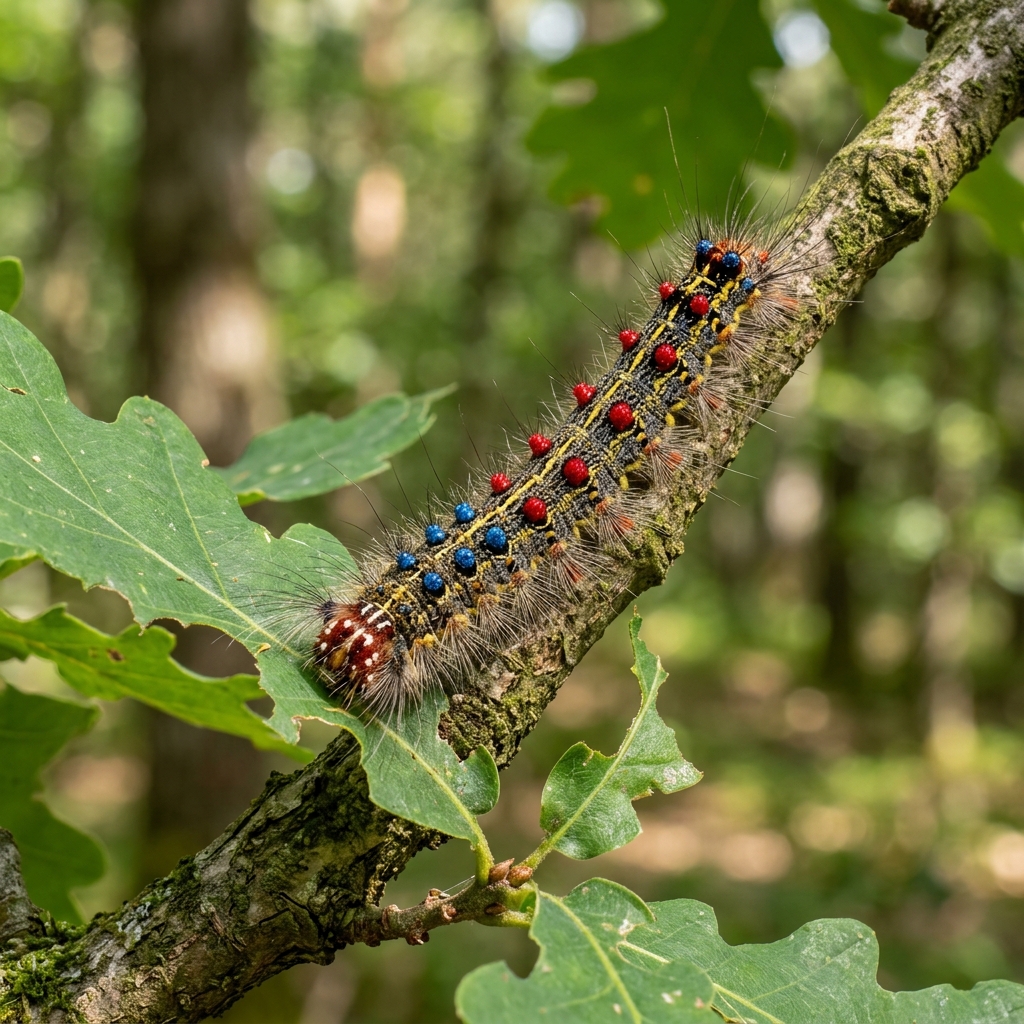
Spongy Moth (Gypsy Moth)
Affects: Oaks, Birch, Maple, Willow
One of the most damaging defoliators in the Northeast. Caterpillars can strip a tree of all its leaves in a single season. Repeated years of defoliation weakens trees and makes them vulnerable to disease and secondary pests.
What to Look For
Egg masses on trees and outdoor surfaces, caterpillars with blue and red dots, complete leaf loss in early summer
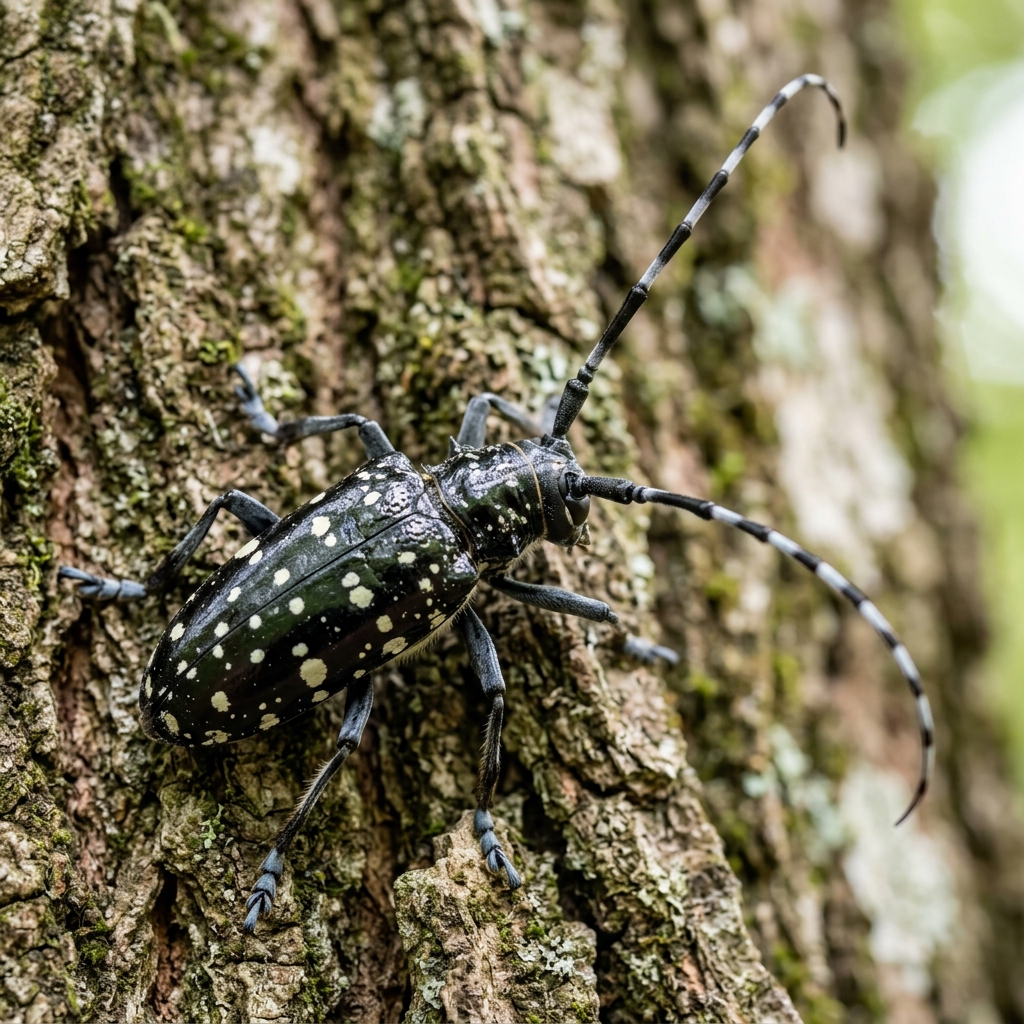
Asian Longhorned Beetle
Affects: Maple, Birch, Elm, Willow
A destructive beetle that tunnels deep into hardwood trees. It has caused quarantines in Massachusetts. There is no treatment once a tree is infested. Early detection and removal are critical to stopping the spread.
What to Look For
Round exit holes (pencil-sized), sawdust at base of tree, dying branches in the upper crown
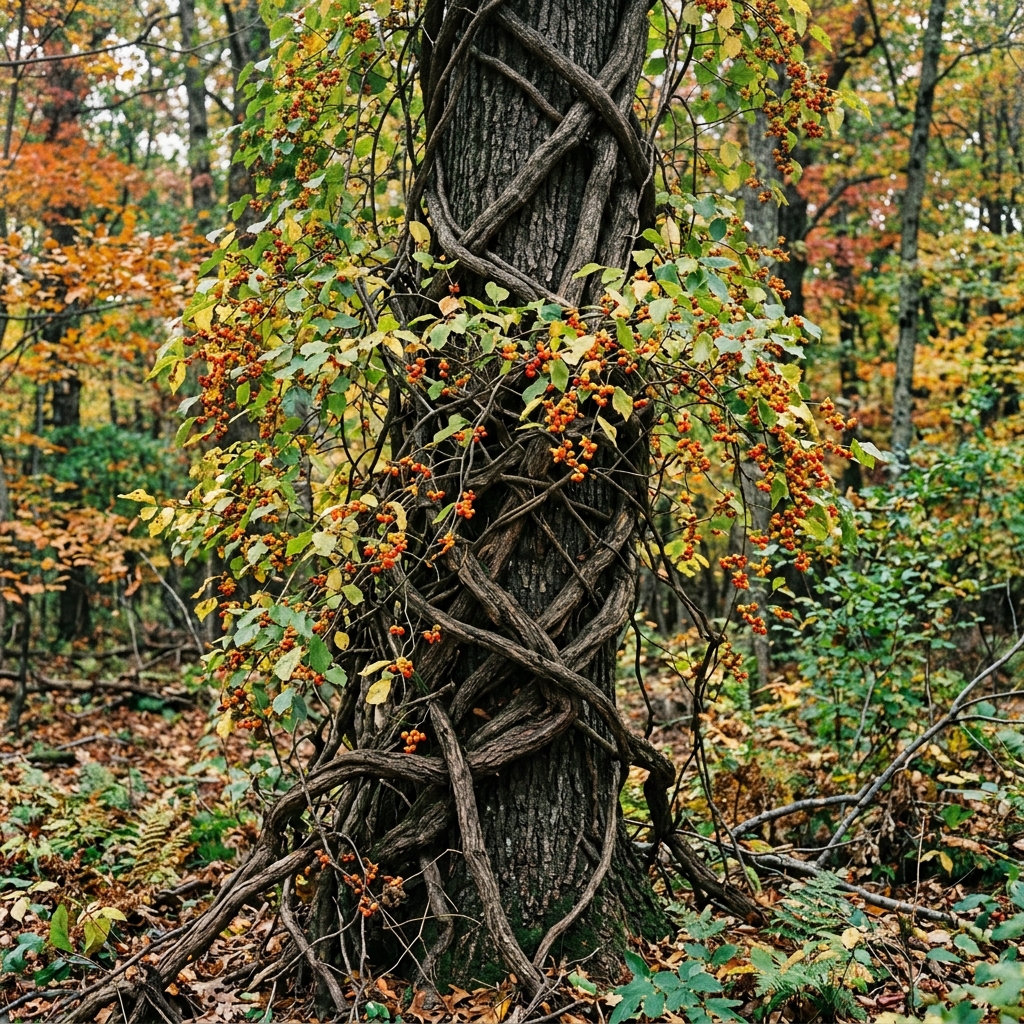
Oriental Bittersweet
Affects: All Trees (Invasive Vine)
This aggressive vine wraps around tree trunks and branches, strangling them over time. It adds weight that causes branches to break in storms and blocks sunlight from reaching the tree's own leaves. Removal requires cutting and treating the stumps.
What to Look For
Thick twisting vines on tree trunks, orange and red berries in fall, tree canopy being overtaken
Japanese Knotweed
Affects: Property & Foundation Threat
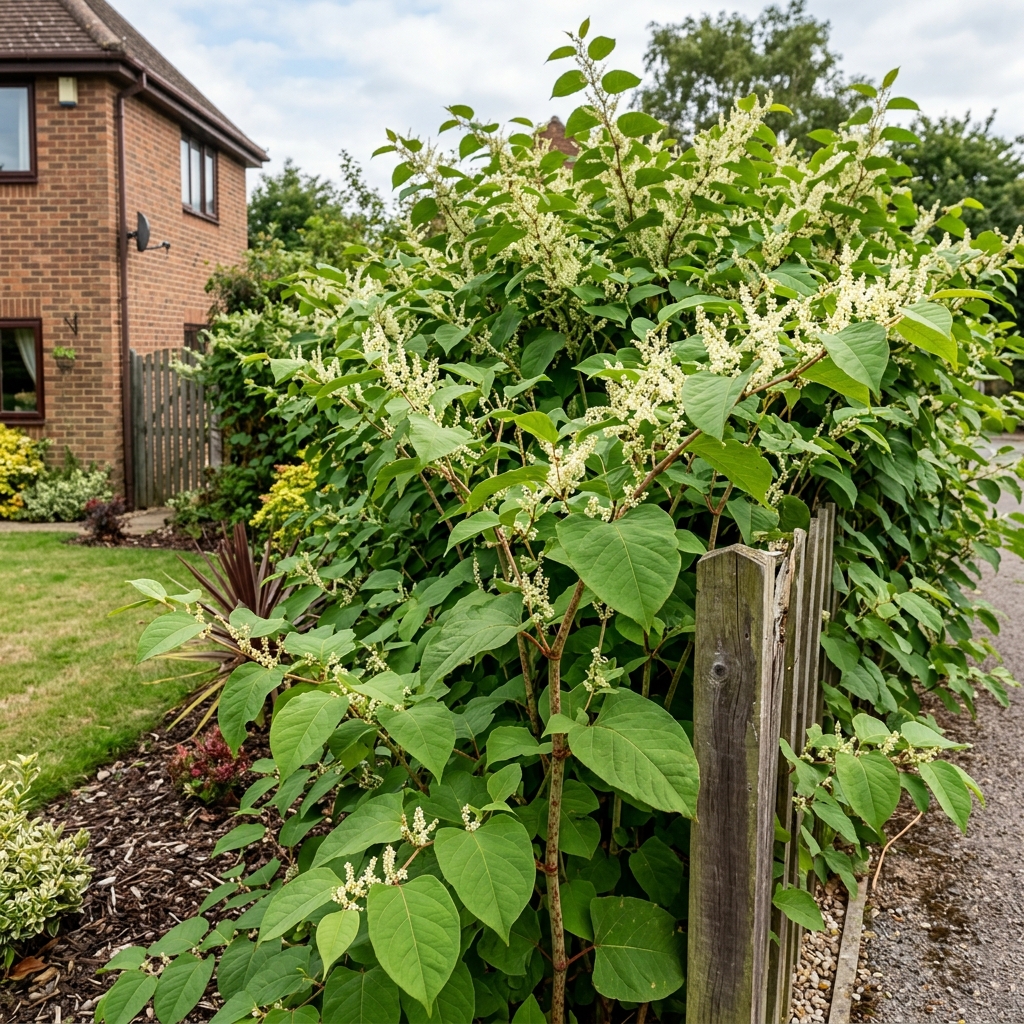
One of the most destructive invasive plants in New England. It grows up to 3 inches per day, cracks foundations, destroys retaining walls, and can lower property values by 10 to 15 percent. Eradication requires multi-year treatment.
What to Look For
Bamboo-like hollow stems, heart-shaped leaves, white flower clusters in late summer
Porcelain Berry
Affects: All Trees (Invasive Vine)
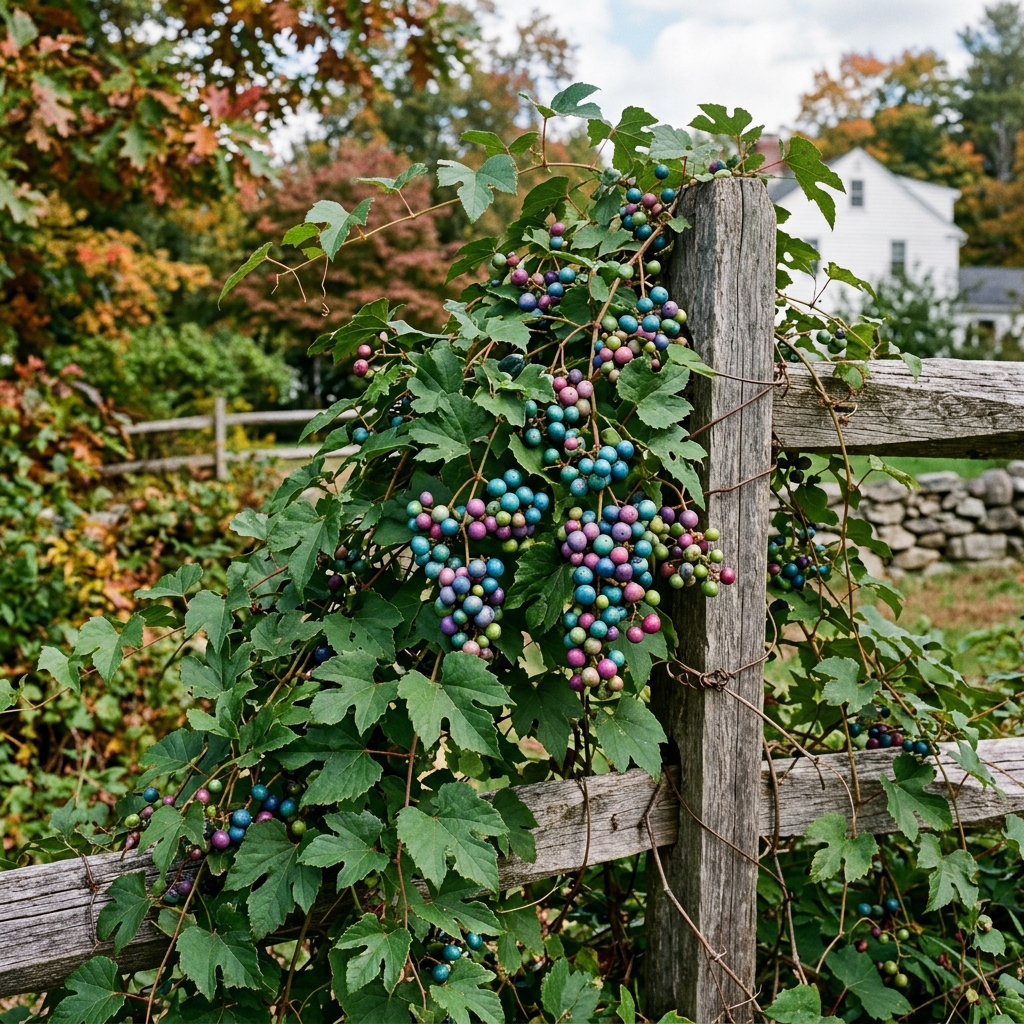
An aggressive climbing vine common in CT, MA, and RI that smothers native trees and shrubs. It produces colorful berries that spread rapidly by birds. Often confused with native grape vines, but far more destructive.
What to Look For
Multi-colored berries (blue, purple, pink), deeply lobed grape-like leaves, rapid vine coverage over shrubs and trees
Multiflora Rose
Affects: Forest Edges, Fields, Yards
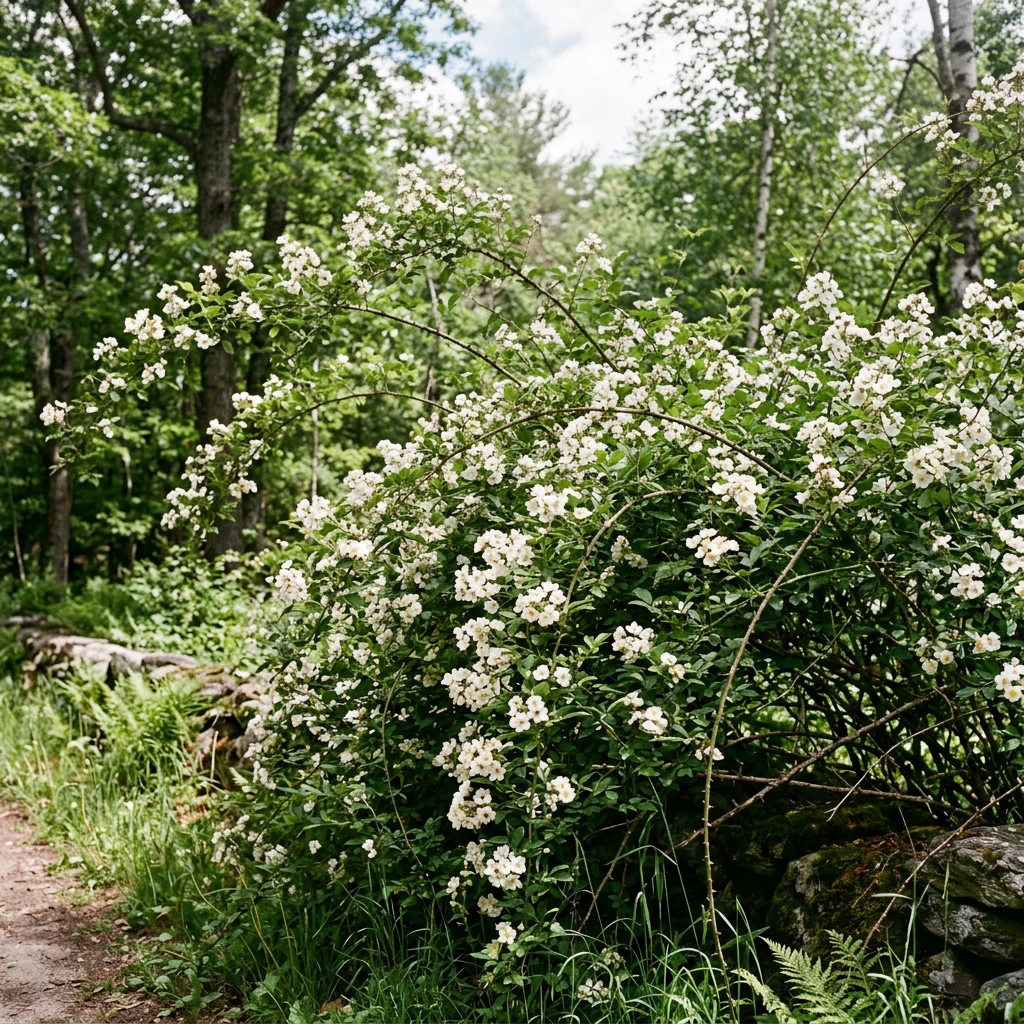
Brought to the U.S. as a "living fence," this thorny shrub now invades roadsides, fields, and forest edges across all three states. It crowds out native plants and creates dense, impenetrable thickets.
What to Look For
Clusters of small white flowers in spring, red rose hips in fall, arching thorny canes forming dense hedges
Autumn Olive
Affects: Forest Edges & Open Fields
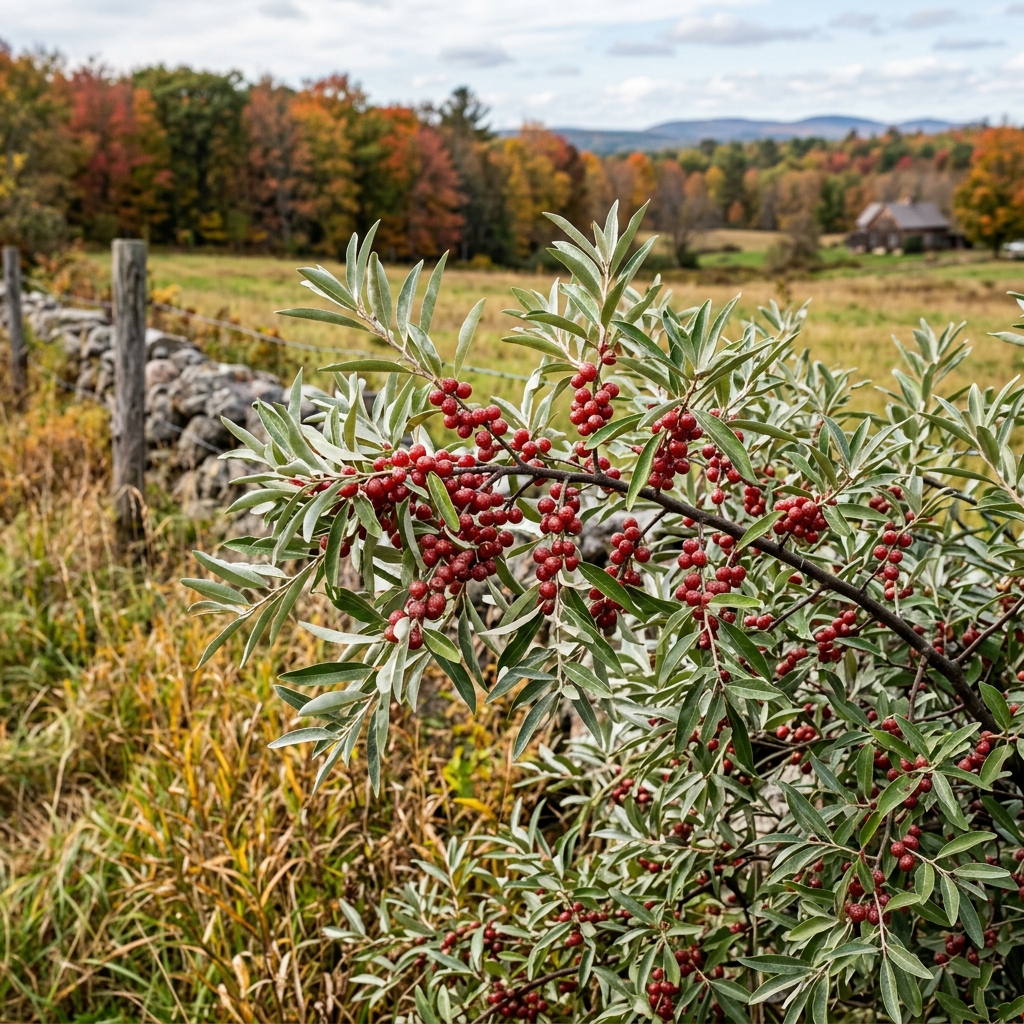
Originally planted for erosion control, Autumn Olive has spread throughout CT, MA, and RI. It fixes nitrogen in poor soils, giving it an advantage over native species. A single plant can produce over 200,000 seeds per year.
What to Look For
Silvery-green leaves, small fragrant yellow flowers in spring, speckled red berries in fall
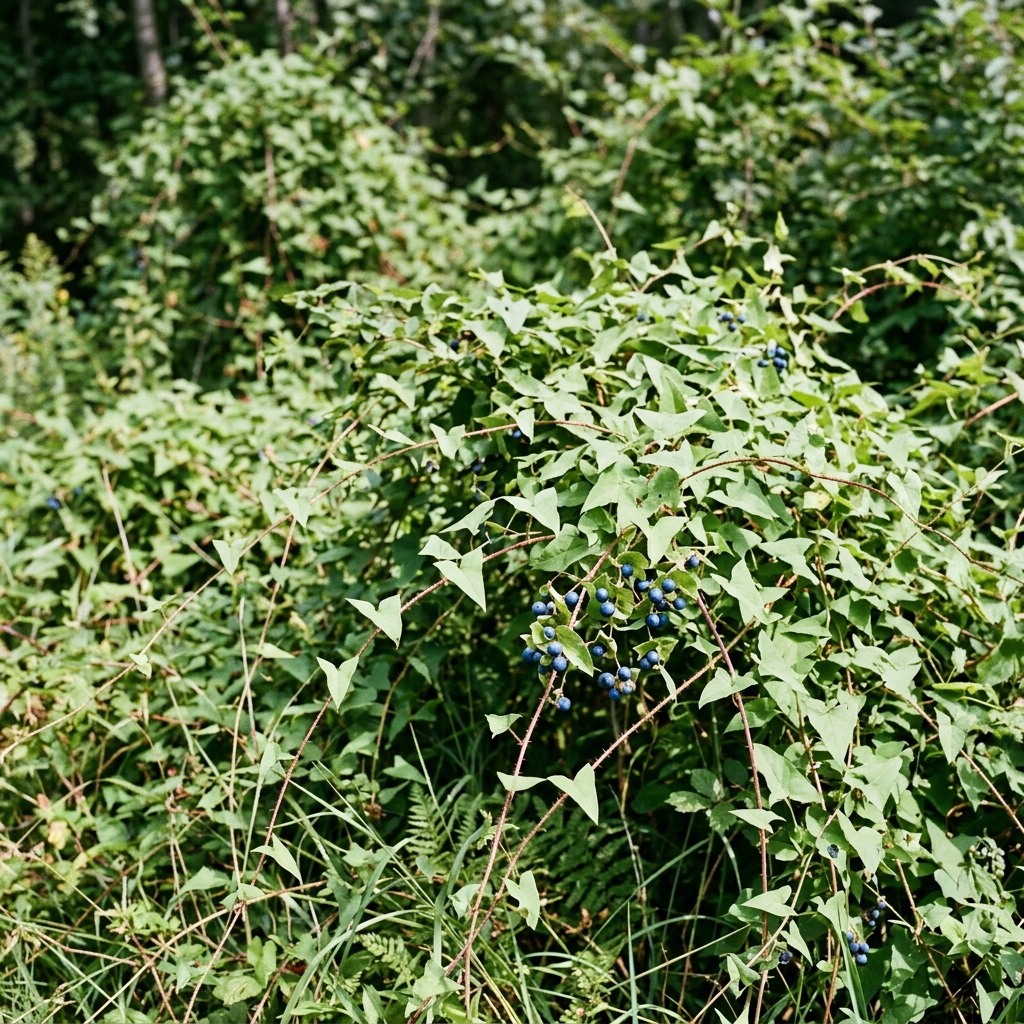
Mile-a-Minute Vine
Affects: All Vegetation (Smothering Vine)
Named for its incredibly fast growth rate, this vine with triangular leaves can grow up to 6 inches per day. It covers and kills everything in its path including trees, shrubs, and ground cover. Active and spreading in Connecticut and Rhode Island.
What to Look For
Triangular leaves, barbed stems, small blue berries, rapidly covering all nearby vegetation
See something on this list? Don't wait. Early treatment is the difference between saving and losing a tree.
Schedule a Tree Health InspectionWhen to Schedule Tree Care
Different treatments work best at different times of year. Here's a quick guide to help you plan.
Spring
- Insect monitoring begins
- Fertilization & soil treatments
- Disease prevention sprays
- Winter damage assessment
- Hemlock Woolly Adelgid treatment
Summer
- Pest population management
- Drought stress monitoring
- Japanese Beetle treatment
- Spotted Lanternfly trapping
- Deep watering recommendations
Fall
- Soil testing & amendments
- Root zone treatments
- Tick reduction programs
- Fall fertilization
- Tree inventory updates
Winter
- Dormant pruning (ideal time)
- Winter Moth treatment
- Storm damage inspection
- Emerald Ash Borer injections
- Planning for spring program
Plant Health Care FAQ
How do I know if my tree is sick?
Look for early leaf drop, discolored or spotted leaves, peeling bark, mushrooms growing at the base, dead branches in the canopy, or sawdust/holes on the trunk. Any of these are worth having an arborist look at.
How much does a tree health assessment cost?
We offer free initial consultations for most residential properties. If lab testing or advanced diagnostics are needed, we'll let you know the cost upfront before proceeding.
Can a sick tree be saved?
In most cases, yes, if caught early enough. Many diseases and pest infestations are treatable when identified before they've spread too far. That's why regular monitoring matters.
How often should trees be inspected?
We recommend at least once a year for most properties. High-value trees, trees near structures, or properties with known pest issues should be monitored more frequently.
Are your treatments safe for kids and pets?
Yes. We use targeted treatments applied directly to the tree (like trunk injections) whenever possible, which minimizes any exposure. We'll always let you know what we're applying and any precautions to take.
What's the difference between you and a landscaper?
Landscapers maintain your lawn and garden. We're certified arborists who specialize in the health and structure of trees. We diagnose diseases, treat infestations, and assess risk, work that requires specific training and licensing.
Care for Your
Trees & Property.
At ArborActive, we take genuine pride in providing thoughtful, hands-on stewardship for your trees and landscape because healthy, beautiful trees matter. No matter the size of your property, whether it's a small yard or a larger estate, every client receives the same consistent, high-quality care from our certified team. That includes our core services as standard: expert invasive plant management to protect your space, precise scientific pruning that truly strengthens tree structure and supports long-term health, and reliable Plant Health Care diagnostics and treatment to catch and address issues early, delivering proactive, science-driven results you can see and trust year after year.
ISA Board Certified Master Arborists | TRAQ Risk Assessment | Invasive Plant Management Specialist
Scientific Preservation for CT & MA Property Owners