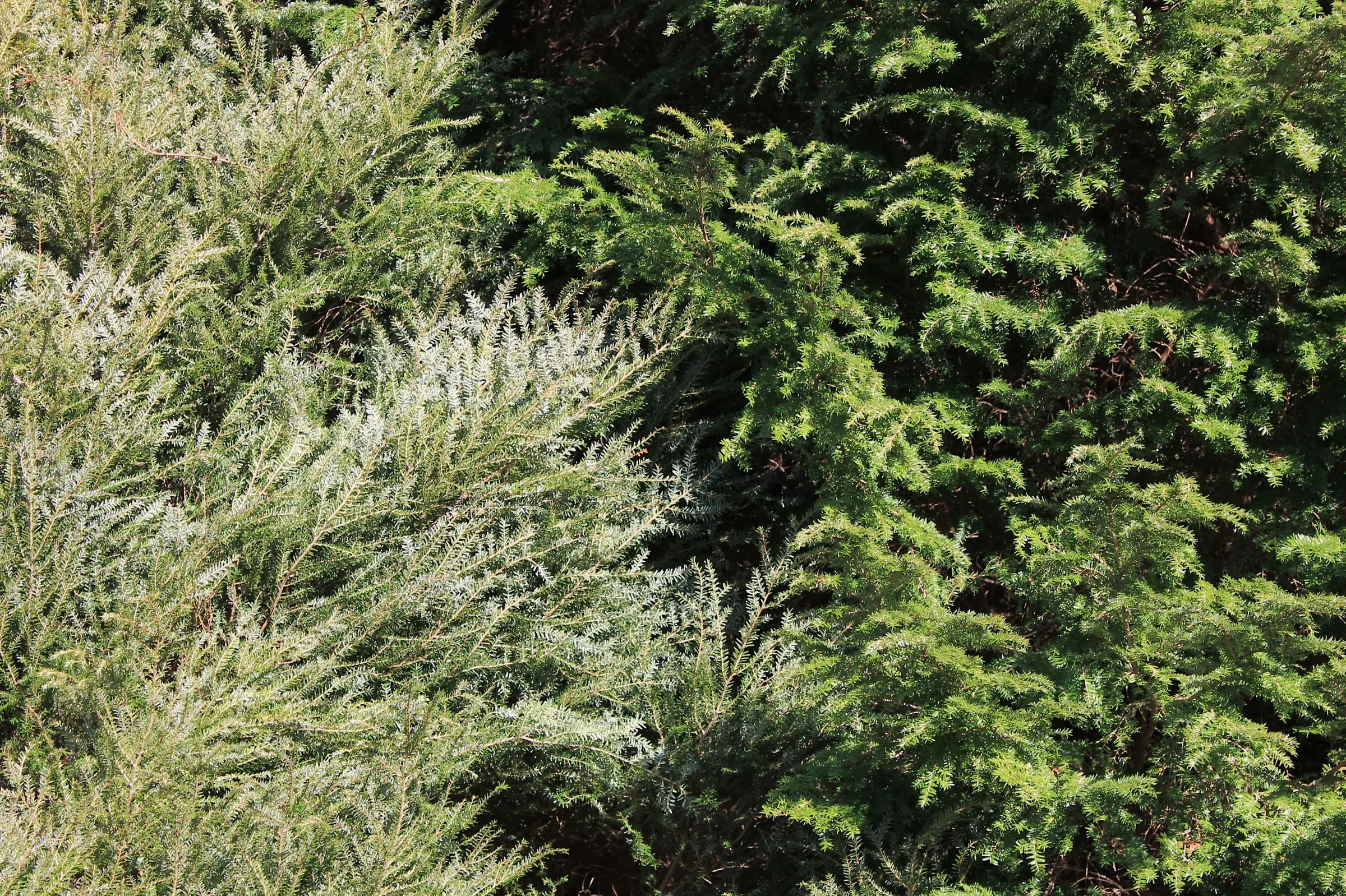
Deer fencing. Keep your landscape growing.
Keep the privacy in your arborvitae screen and the growth in your garden beds. ArborActive helps plan and install deer fencing around the landscape you want to protect.
See how our team gets it installedLandscape deer fencing in Connecticut, Massachusetts and Rhode Island. Start with our team to confirm service for your property.
Protect the part of the landscape that matters most.
Repeated browsing can turn a full privacy screen into bare trunks or remove new growth from the same shrubs each season. A physical barrier gives you another way to protect those plantings, especially where deer pressure is persistent.
The useful starting point is the area you want to keep growing. That might be a group of ornamental beds, a young landscape planting or a larger yard. We help you consider an enclosure that protects those plants while keeping paths, mowing and everyday access practical.
Plan my deer fence- A continuous perimeter
- Access from the home
- Room for plant growth
An example landscape layout. We plan the actual fence around your plants, trees, access and property conditions.
Built around Northeast landscape conditions.
Height and a complete perimeter
For larger enclosures, Northeast extension guidance commonly points to at least eight feet. But a tall fence with an open driveway or an unprotected end still leaves a route to the plants. We consider the whole enclosure, including connections and gates.
Rocks, slopes and established trees
A straight line on paper may cross ledge, drainage or important roots. Our arborist perspective helps bring the existing landscape into the layout. Post locations, bracing and the lower edge need to work with the actual site and the selected fence system.
Snow, storms and daily use
Plan the fence away from snow-storage and plowing routes where practical. Snow buildup, falling branches and repeated gate use deserve attention after installation. A barrier needs routine checks so a damaged section or open gate does not undo the rest of the work.
Choose the material around the property.
The discussion includes appearance, durability, deer pressure and upkeep. These are common non-electric landscape fencing approaches; the proposal identifies the actual system, specifications and scope for your installation.
Black coated metal mesh
A durable option to discuss where a stronger physical barrier is the priority. Mesh size, wire construction, coating, supports and gate details all matter. Black mesh can sit quietly against a planted background, but visibility changes with lighting and where you view it from.
Heavy-duty polypropylene mesh
A lighter, flexible material to compare for suitable landscape enclosures. Product strength and support requirements vary. Chewing animals can damage plastic mesh, so lower-edge reinforcement may deserve consideration. It still needs secure posts, appropriate tension and regular inspection.
Targeted plant enclosures
When one specimen or a small group of shrubs is the concern, a smaller enclosure may be more practical than a property perimeter. Leave growing space and consider how deer could reach the foliage. Seasonal protection and permanent fencing have different maintenance and appearance tradeoffs.
A fence starts with a useful plan.
Show us what is getting eaten and where you want protection. We will help you work through the layout, access and installation scope.
How ArborActive gets your deer fence installed.
You bring the goal. Our team helps turn it into a practical installation, with the fence and the landscape considered together. We work through the details with you before scheduling the job.
Walk the property with your priorities in mind
Show us the arborvitae screen, favorite shrubs or new landscape beds you want protected. Our team looks at the browsing pattern, the area to enclose and how you use the property. A focused enclosure may make more sense than fencing the entire yard.
Lay out the fence and the access
We plan the route, corners, end connections and gates together. That includes space for plant growth, lawn equipment and regular maintenance. Trees, visible roots, slopes, rocks, existing walls and drainage all influence the line. We discuss any clearing or pruning before it becomes part of the job.
Agree on the materials and installation scope
Review the proposed height, mesh, posts, bracing, bottom-edge treatment and gate openings. The plan also addresses property-line information, local requirements and utility marking before ground disturbance. You know what is included, how the site will be accessed and what happens to removed material before work starts.
Install the supports, mesh and gates
Our team organizes the installation around the agreed layout. Corners and gates receive the support the selected system requires, mesh is attached and tensioned to its specifications, and the lower edge is secured to suit the terrain. Changes in grade and connections to existing structures receive particular attention so they do not become easy entry points.
Walk the finished enclosure and explain its care
We review the perimeter, connections, ground gaps and gate operation with you. You leave knowing how to keep the enclosure closed, what to check after storms or snow, and when to contact us about damage. Any future inspection, repair or seasonal service is discussed as part of your proposal.
Meet your arborist and plant health care team.
Get to know the people behind ArborActive. Our arborists and plant health care staff bring different specialties to the same goal: helping you understand and care for your landscape.
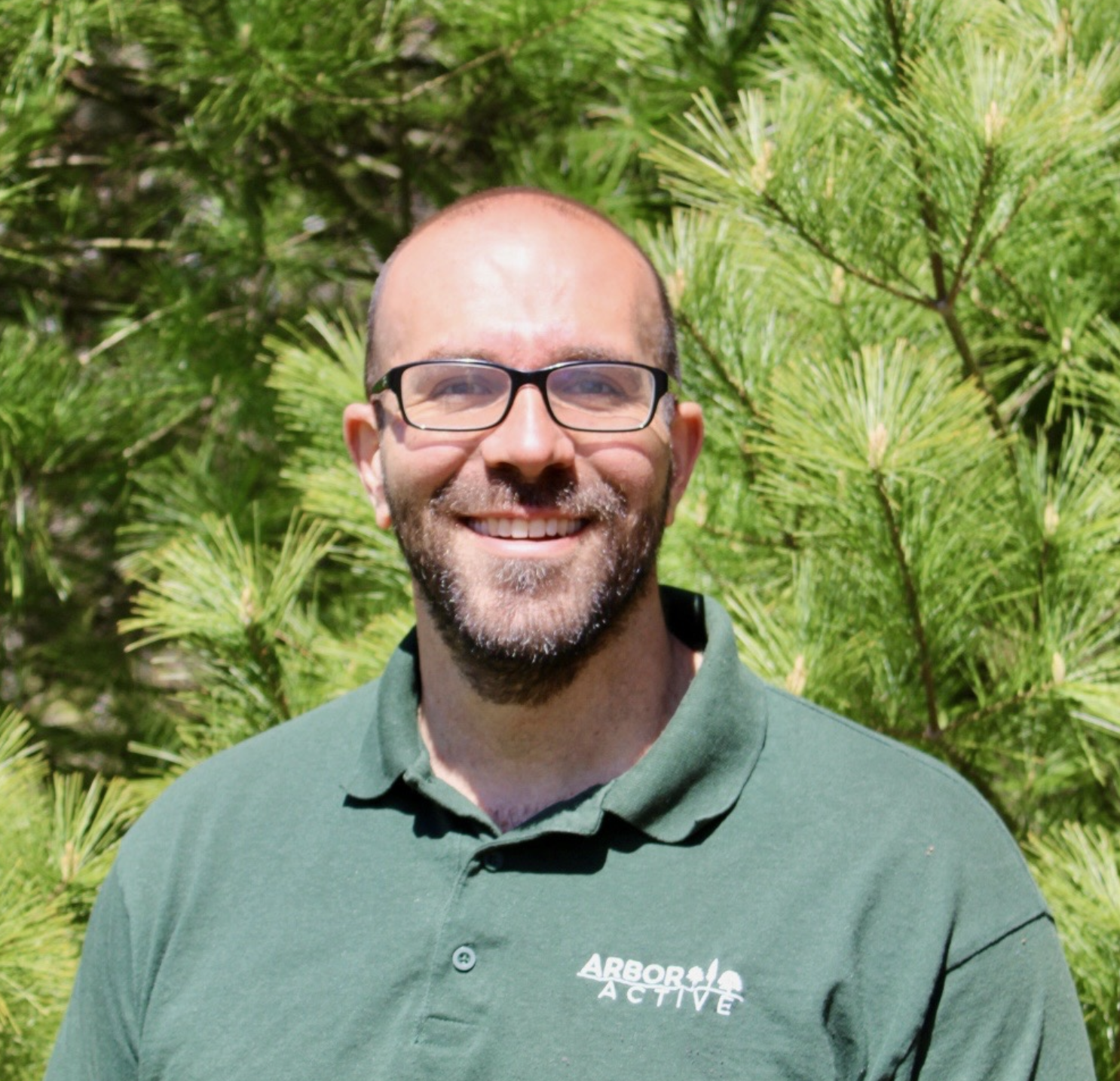
Gregg Corso
Founder & Lead Arborist
- ISA Board Certified Master Arborist NE-6927A
- CT Licensed Arborist PMCS.0066229
- Tree Risk Assessment Qualified
Gregg leads ArborActive’s arboriculture work. His background brings tree risk assessment, forest ecology and long-term tree care into the conversation about your property.
Read Gregg’s profile
Victoria Burton
Arborist and Plant Health Care Manager
- Master of Science in Plant Science
- ISA Certified Arborist
- Tree Risk Assessment Qualified
Victoria combines plant science with tree care and diagnostics. Her work connects what you see in the canopy with the health and growing conditions of the whole plant.
Read Victoria’s profile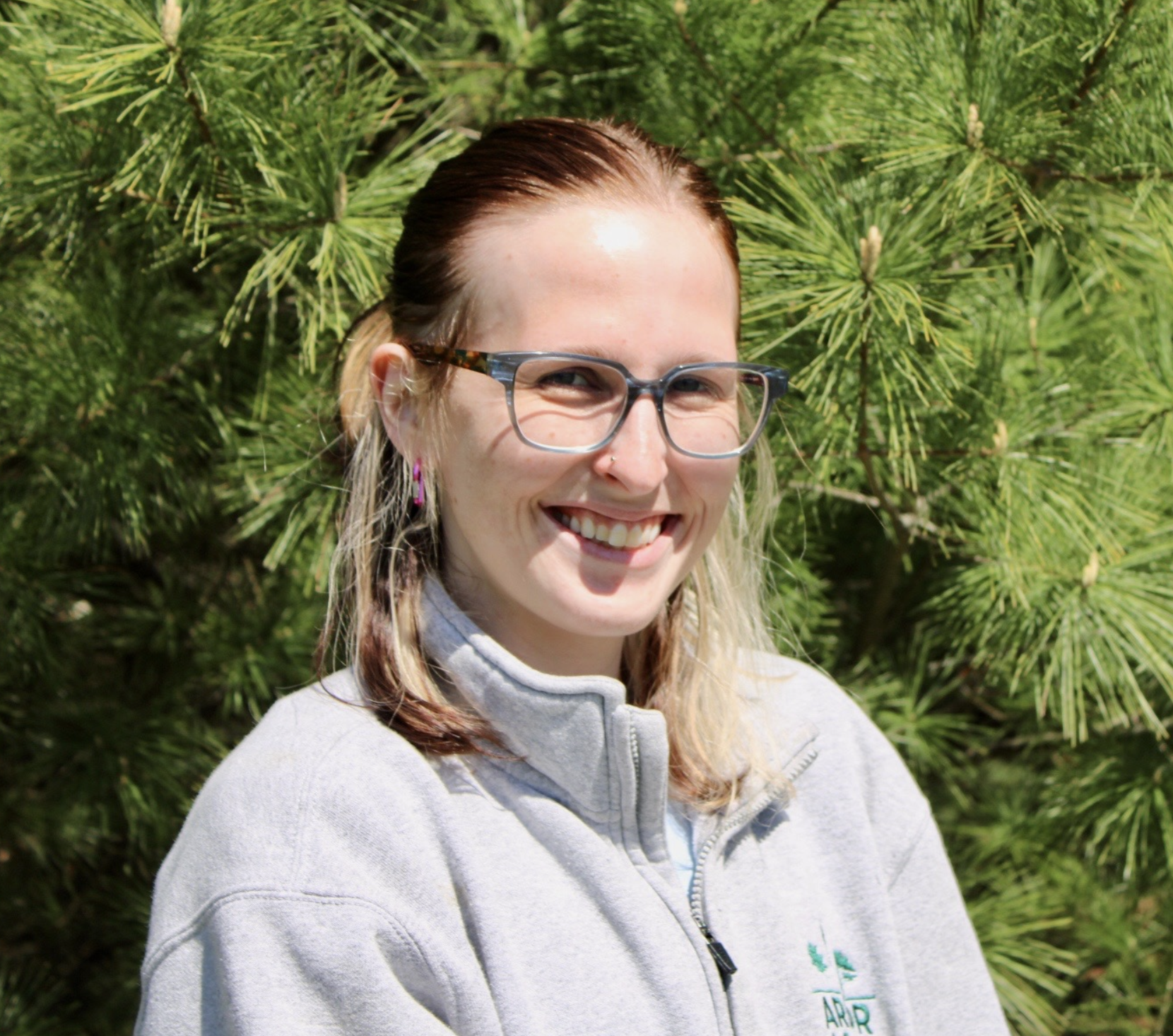
Sarah
Crew Lead
- ISA Certified Arborist
- Associate of Science Natural Resource Management
Sarah is an ISA Certified Arborist and crew lead with a background in natural resource management. Her climbing and pruning experience supports hands-on care for landscape trees.
Read Sarah’s profile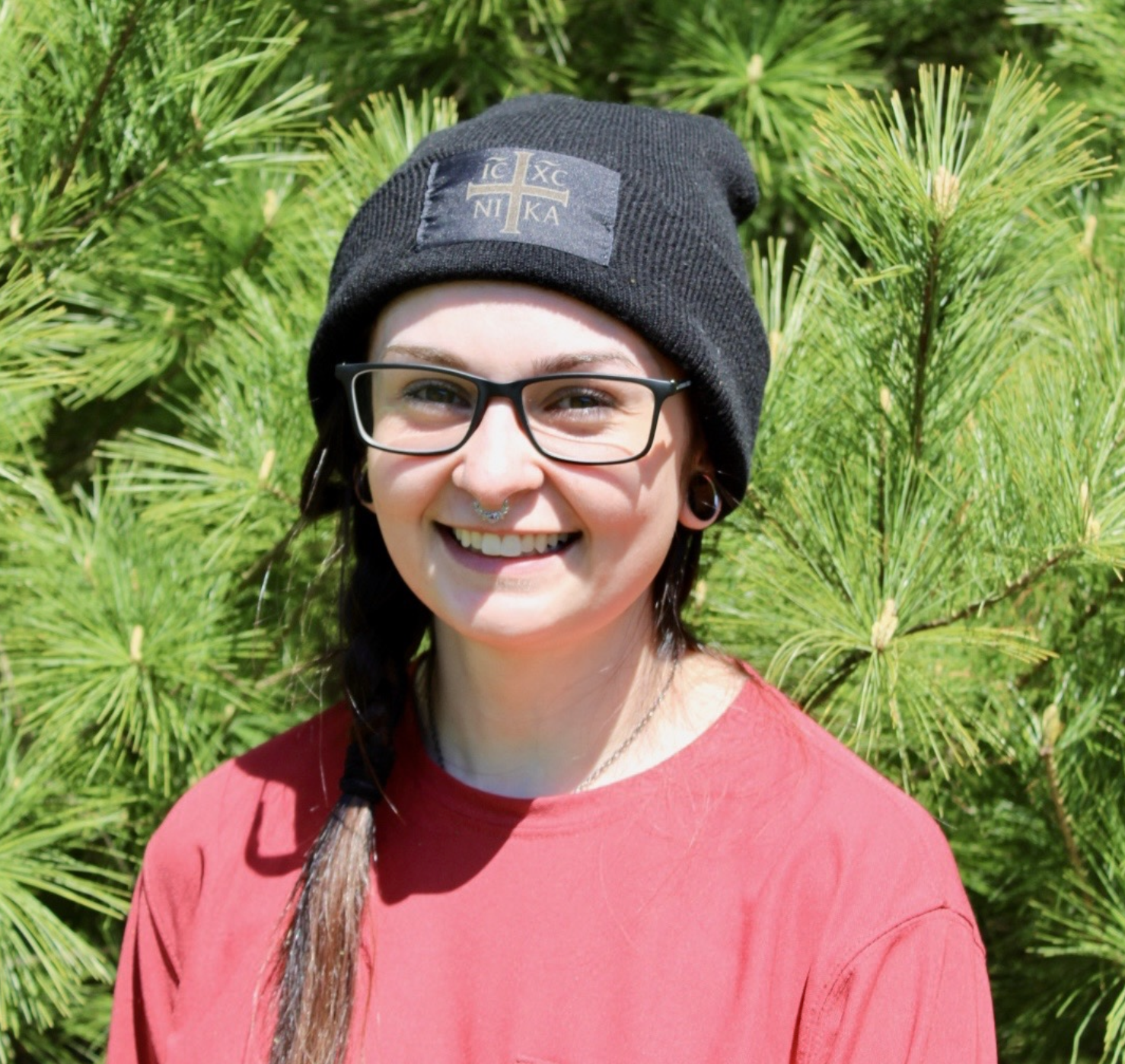
Megan
Plant Health Care Technician
- Bachelor of Science Environmental Science
Megan works in plant health care, bringing her environmental science background to caring for the trees and plants in your landscape.
Read Megan’s profileBefore your deer fence is installed
How tall should a deer fence be in the Northeast?
For larger landscape enclosures, Northeast extension guidance commonly recommends a fence at least eight feet high. Smaller plant enclosures can use different designs. The final height and construction depend on the area, terrain, deer pressure and what is allowed at the property. Height alone cannot compensate for open gates or gaps.
Do I have to fence my whole property?
No. A fully enclosed garden, group of landscape beds or section of the yard may protect the plants you care about with less fencing. A fence only across one approach leaves other routes open. We can compare a targeted enclosure with a larger perimeter and plan useful gate access for either option.
Can fencing protect my arborvitae privacy screen?
It can help prevent further browsing when the enclosure and openings are properly designed and maintained. Leave enough room so deer cannot easily reach foliage through the mesh and so the plants can grow. Fencing cannot replace foliage already lost. We can also discuss the condition and recovery potential of the existing screen.
Do I need permission before a deer fence is installed?
Local height, placement and review requirements need to be checked for the actual property before installation. Boundaries, easements, association rules and any applicable wetland or conservation restrictions also belong in the planning conversation. We discuss those items with you rather than assuming that one fence design is allowed everywhere.
Can deer fencing be installed in winter?
Timing depends on access, ground conditions, snow and the selected installation method. Frozen or saturated ground and concealed obstacles can change what is practical. A winter consultation can still establish the layout and scope; the installation date is confirmed around the property conditions rather than promised for every season.
Will a deer fence also contain my dog or exclude rabbits?
Those are separate design requirements. Mesh intended for deer may not resist chewing, contain a dog or exclude smaller animals. Tell us which animals matter and how the space is used. We can discuss appropriate materials and lower-edge options without presenting a landscape deer fence as a pet, pool or security barrier.
How much does deer fence installation cost?
The measured length, material, posts, gates, slopes, rocky ground, preparation and access affect the proposal. Protecting one planting area and enclosing a whole yard are different projects. Share your location, photos and the area you want protected so we can start with a useful scope and provide property-specific pricing.
Let’s put a plan around your landscape.
Send your property location, a few photos and the planting area you want protected. Mention any gates, existing fence, slopes or access concerns, and our team will follow up about a consultation.
Explore landscape deer repellent