ArborActive Tree Care Guide
Spotted Lanternfly in Connecticut, Massachusetts & Rhode Island
Found a spotted insect on your trees, or a gray patch on your trailer? Start with the photos below, check your state’s reporting guidance, and decide whether the plants on your property need a closer look.
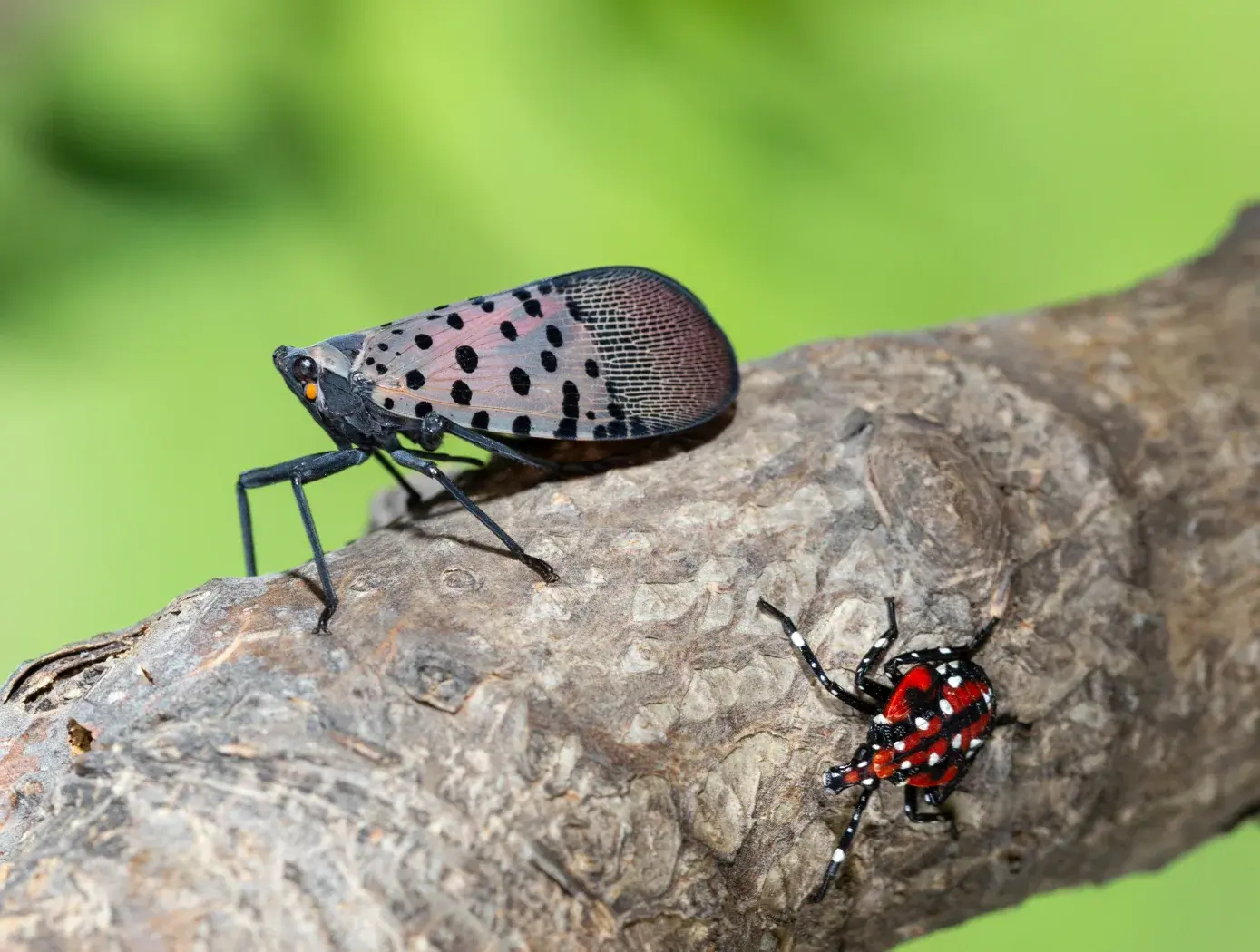

How to identify spotted lanternfly
Spotted lanternfly (Lycorma delicatula) is an invasive planthopper that feeds on plant sap. The same insect looks quite different as it grows. Photograph the insect or egg mass and note the location and what it was on.
Adults
About an inch long, with gray or tan forewings marked by black spots. The bright red hindwings may be hidden when the insect is resting. Look for adults from late summer into fall.
Nymphs
The young insects are black with white spots in spring and early summer. Older nymphs develop red and black coloring with white spots before they grow wings.
Egg masses
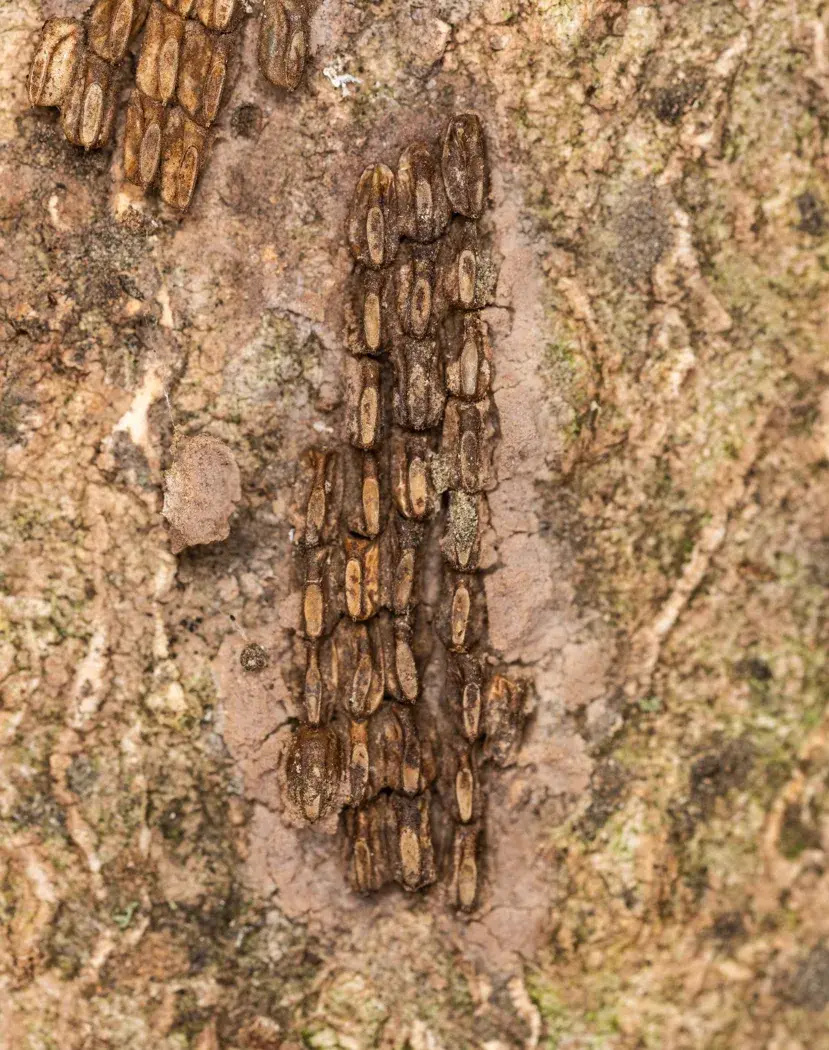
Look for flat patches that resemble dried mud or cracked putty. When the covering wears off, you may see rows of individual eggs. Eggs can overwinter on bark, trailers, stone, outdoor furniture and equipment.

Where to report spotted lanternfly in CT, MA and RI
Use the official guidance for the state where you found the insect. A sighting report helps the state track spread. For a property assessment, use ArborActive’s separate request form.
Connecticut
The Connecticut Agricultural Experiment Station accepts sighting reports with a photo and the location. Use its current guidance for quarantine and movement questions.
Connecticut sighting and quarantine guidanceMassachusetts
Check the state distribution map first. MDAR encourages photo reports from cities or towns without a known infestation. Reporting from a town already listed as infested is optional.
Massachusetts distribution map and reportingRhode Island
RIDEM tracks sightings statewide. If you’re reporting from the Providence metro area, follow DEM’s instruction to skip collecting a physical sample.
Rhode Island DEM reporting and management
Where to look for lanternflies by season
Use the season to decide where to look. The timing can shift with local weather. Insects can be present even if the first tree you inspect is clear.
Fall through early spring
Check for egg masses around trailer frames, wheel wells, fence posts, outdoor furniture and equipment stored under trees. Photograph suspicious patches and follow state guidance before moving the item. Leave egg masses beyond ground reach to a professional.
Spring and early summer
Look for small black nymphs with white spots on new growth, stems and vines. Record where you see them so you can check the same plants again later.
Late summer into fall
Check trunks, vines and the plants above sticky decks or parked cars. Note how many insects you see and whether they return to the same plants. Inspect vehicles and equipment before leaving an infested site.
When does a spotted lanternfly infestation need treatment?
A few insects on a healthy shade tree usually warrant monitoring. Heavy, repeated feeding on grapevines or vulnerable plants deserves closer attention. Sticky honeydew and black sooty mold can make patios and parking areas messy, but they do not tell you by themselves whether a tree is in decline.
A few insects on a healthy maple
Photograph them, follow your state’s reporting guidance and monitor the tree. A sighting alone does not justify treating or removing it.
Repeated activity on vines or a stressed tree
Note which plants the insects return to and whether you see thinning foliage or dieback. An assessment can separate lanternfly feeding from other problems and help decide whether targeted management makes sense.
Suspected tree-of-heaven
Confirm the plant first. Tree-of-heaven can resemble native sumac or walnut, and cutting it alone can trigger extensive resprouting. Host removal alone is unlikely to provide reliable lanternfly control.
Common questions
- Do spotted lanternflies bite or sting?
- No. The main concerns are plant feeding, sticky honeydew and the insects spreading to new places.
- Will spotted lanternfly kill my tree?
- Healthy mature landscape trees usually tolerate light feeding. Grapevines are more vulnerable, and repeated heavy feeding can add stress to plants that are already struggling.
- Can sticky tree bands harm wildlife?
- Yes. Penn State Extension cautions that exposed sticky bands can catch birds, pollinators and other animals. Its management guide describes funnel-style circle traps as an alternative. Traps address insects moving up a particular trunk.
- How do I keep from spreading spotted lanternfly?
- Inspect vehicles, trailers, outdoor furniture and equipment before moving them. Look for hitchhiking insects and egg masses, and check your state’s current guidance before moving regulated materials.
Ask ArborActive about your property
Tell us your town, which plants are affected and how often you’re seeing lanternflies. We’ll confirm service availability for your property.