ArborActive Tree Care Guide
Emerald Ash Borer: Can Your Ash Tree Be Saved?
A thinning ash crown, bark stripped by woodpeckers or small D-shaped holes can point to emerald ash borer. Early assessment gives you more options, especially if the tree stands near a house, road or driveway.
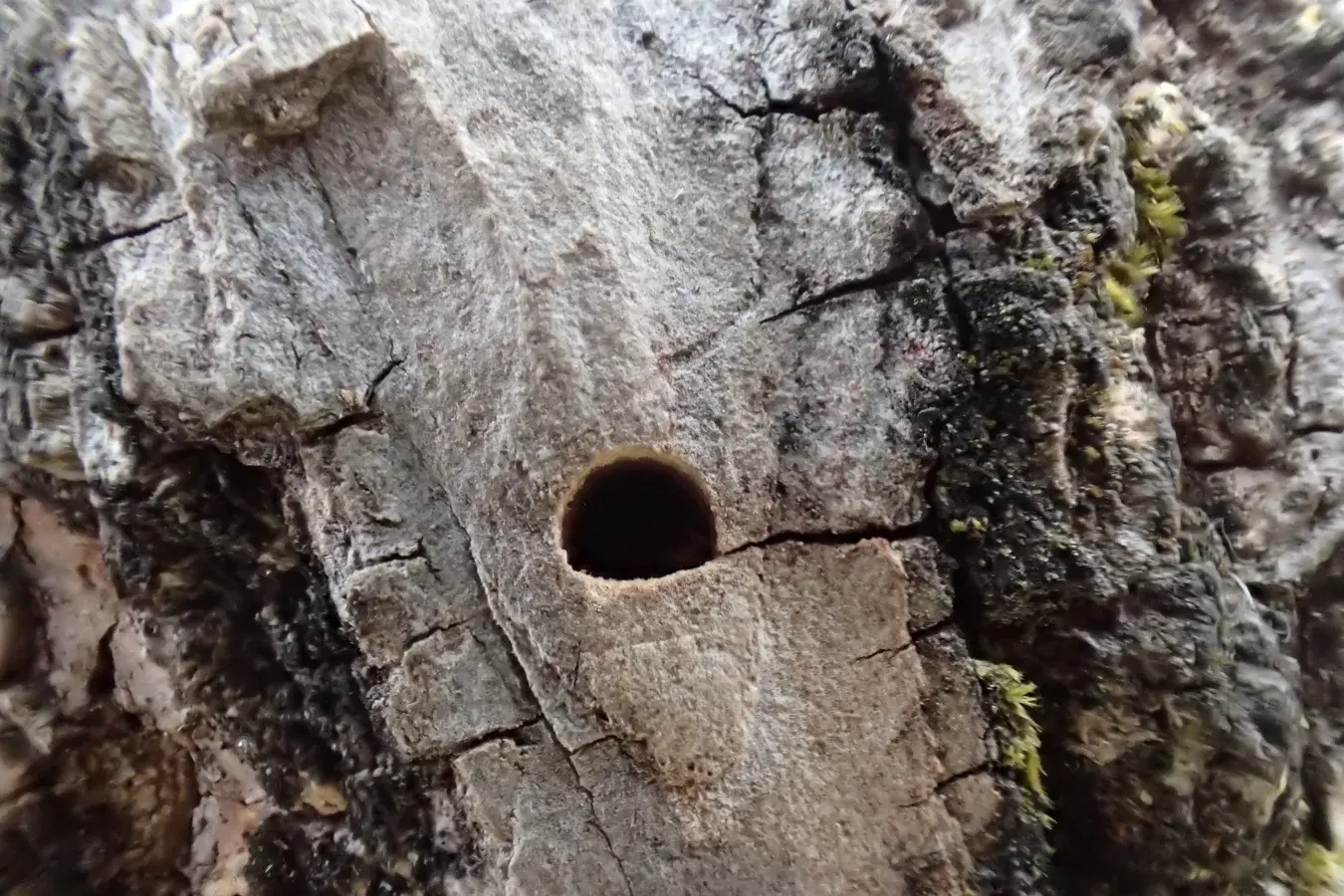

How to spot emerald ash borer damage
Confirm you have a true ash first. Then look for upper-crown dieback, pale patches where woodpeckers have stripped bark, new shoots low on the trunk and small D-shaped exit holes. A thin crown can have other causes, and an infested tree may show little at first.
Connecticut DEEP emerald ash borer identification guideTreat, monitor or remove an ash tree?
An arborist can assess how much live crown remains, how sound the trunk and branches are and what the tree could strike if it fails. A healthy or lightly affected ash may be a candidate for protection. Severe decline or brittle dead limbs near people or property call for a risk assessment before deciding whether to retain it.
What an ash tree assessment should cover
Start with the trees near driveways, sidewalks, play areas and buildings. An inventory can help a homeowner or property manager decide which ash trees to inspect first.
Confirm the species and signs
True ash typically has opposite branching and compound leaves. Take photos from ground level of the whole canopy and any bark patches or holes you can see. An arborist can check for D-shaped exit holes and winding galleries visible where bark has already split.
Record crown condition and exposure
Ask how much live crown remains, which limbs are dead and what they could reach if they fall. A vigorous tree in a high-use area may have a different management plan from a dead ash at the edge of an open woodland.
Compare the options over time
If treatment is feasible, ask about follow-up visits and how the arborist will judge success. If removal is recommended, ask what made retention impractical and how wood and debris will be handled.
What to do with ash firewood and branches
Avoid carrying infested ash wood to another property. Ask your arborist how the debris will be handled and check current state guidance before moving it.
Common questions
- Can I tell from a single hole in the bark?
- Connecticut DEEP identifies a true D-shaped exit hole on an ash as a diagnostic sign. If the tree species or hole shape is uncertain, get an on-site diagnosis. Crown thinning alone can have several causes.
- Can I cut down a dead ash myself?
- Dead ash can be brittle, with limbs that fail unexpectedly. Keep people clear of the area and have a qualified tree crew assess it before work begins.
Ask ArborActive about your property
Tell us how many ash trees are affected and what is below them. Mention dead limbs or any part of the tree that overhangs a house, driveway or road.